Are your raspberry canes flopping over and hiding the juicy fruit you worked so hard to grow? Without a smart raspberry trellis system, even healthy plants can get tangled, messy, and hard to harvest.
A sturdy raspberry trellis idea boosts sunlight, improves airflow, and keeps canes upright — making pruning and picking effortless. From DIY trellis for raspberries to creative backyard solutions, the right support transforms your garden’s look and productivity.
In this guide, I provide practical raspberry trellis ideas that are easy to build, keep your plants healthy, and help you harvest bigger, sweeter berries every season.
1. Classic T-Post & Wire Trellis
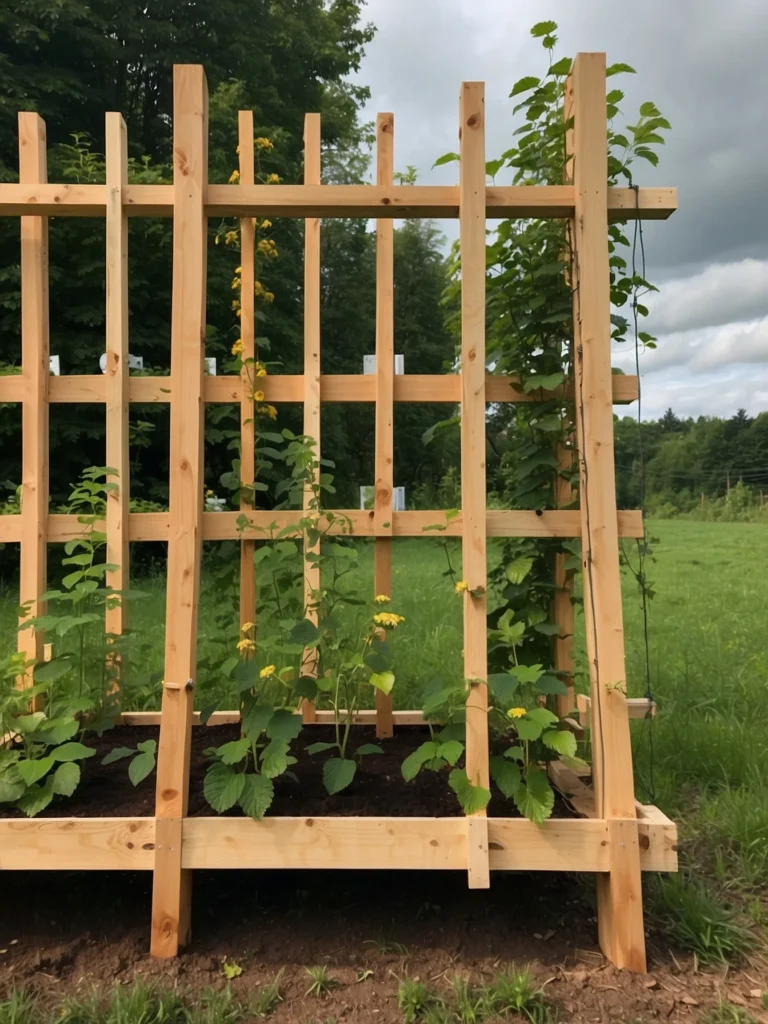
✔ Best For: Long rows of raspberries that need sturdy support
✔ Why It’s Great: Uses durable materials available at garden centres
✔ How It Works: T-posts spaced 10–15 ft apart with two horizontal wires — one near waist height, one lower.
This is the most commonly used raspberry trellis because it’s:
- Strong winds
- Easy to tie canes to
- Scalable for large patches
Use soft plant ties so you don’t damage stems as they grow.
Pro Tip: Install this system before new growth begins in spring for a smooth training session.
2. DIY Cedar Wood Trellis
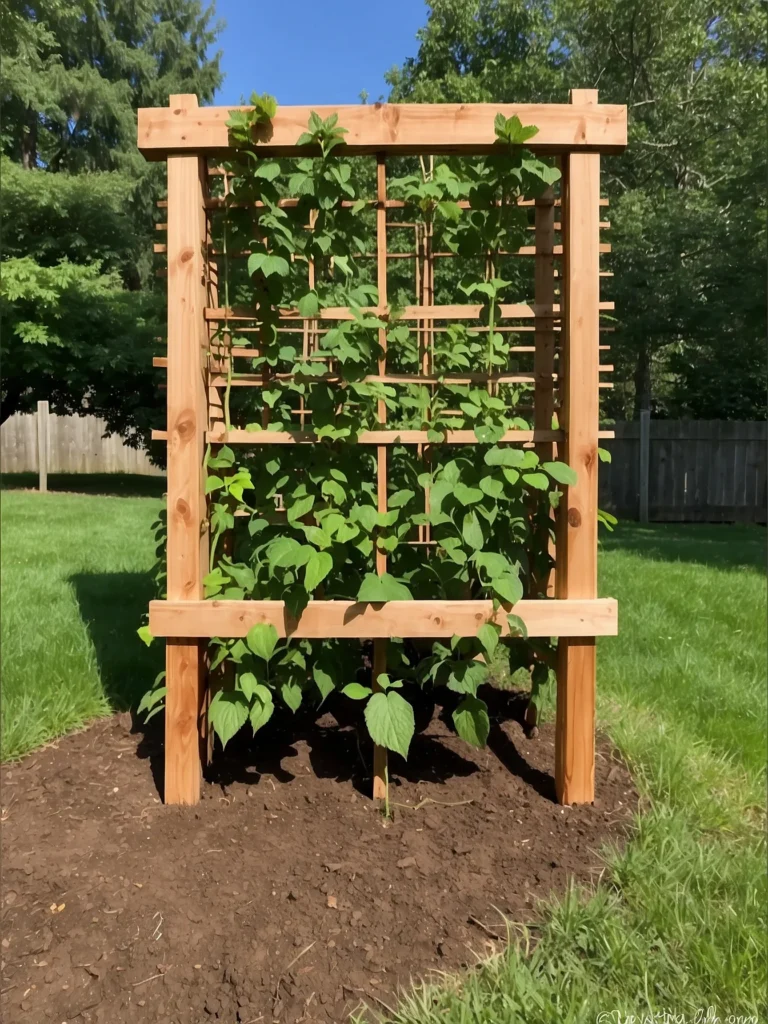
✔ Best For: Backyard gardens where aesthetics matter
✔ Why It’s Great: Cedar resists rot and looks beautiful among plants
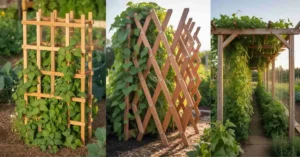
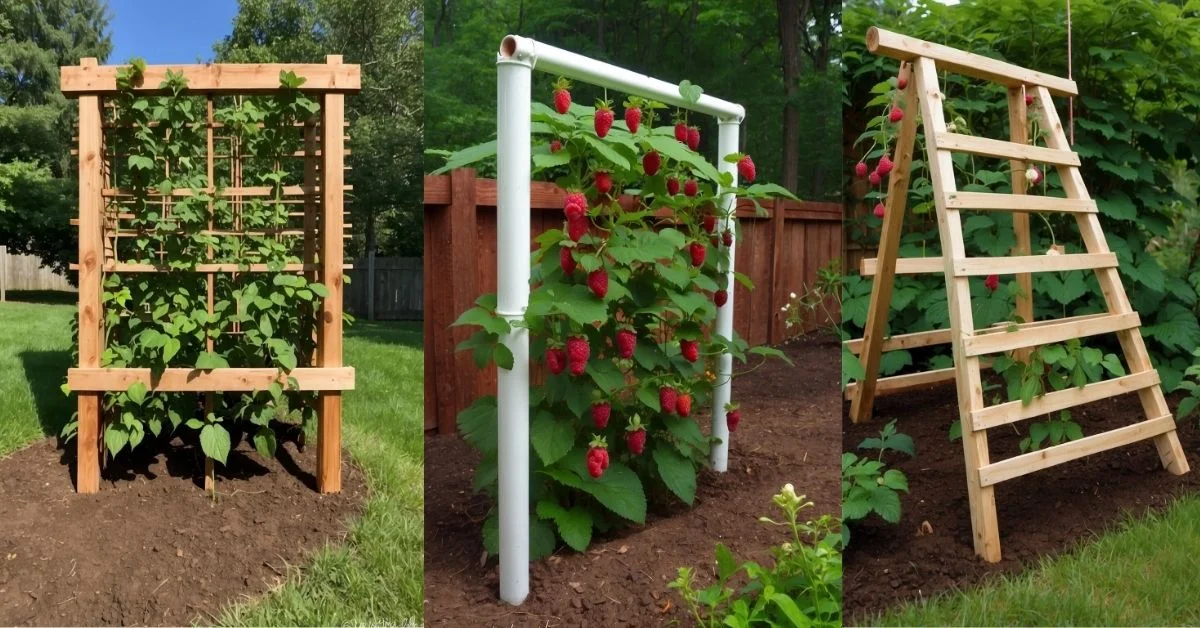
Build a cedar frame with vertical posts and horizontal crossbars or lattice.
This gives your raspberries a garden feature instead of just a support structure.
Budget Tip: Use cedar fence pickets instead of custom lumber — they’re cheaper and still durable.
3. PVC Pipe Trellis
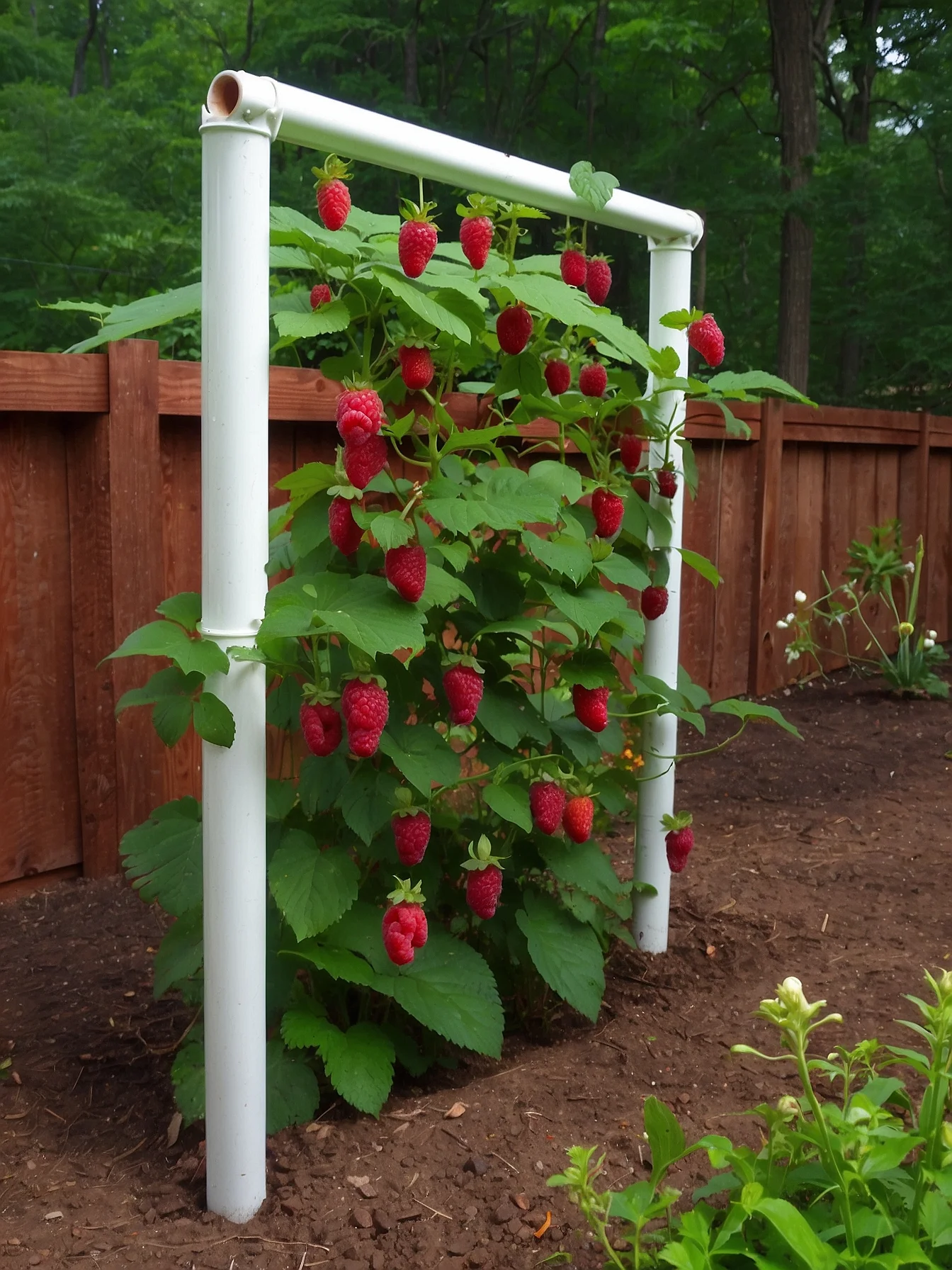
✔ Best For: Casual gardeners or renters
✔ Why It’s Great: Easy to assemble, move, and reposition
PVC pipe systems work well for temporary setups.
- You’re experimenting with layout.
- You want something non-permanent
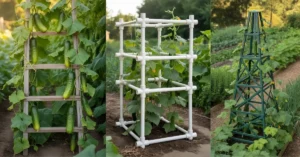
Simply cut pipes to size and connect with T-joints. It’s less durable than wood or metal, but fantastic for small patches or container raspberries.
4. Fence Panel Trellis
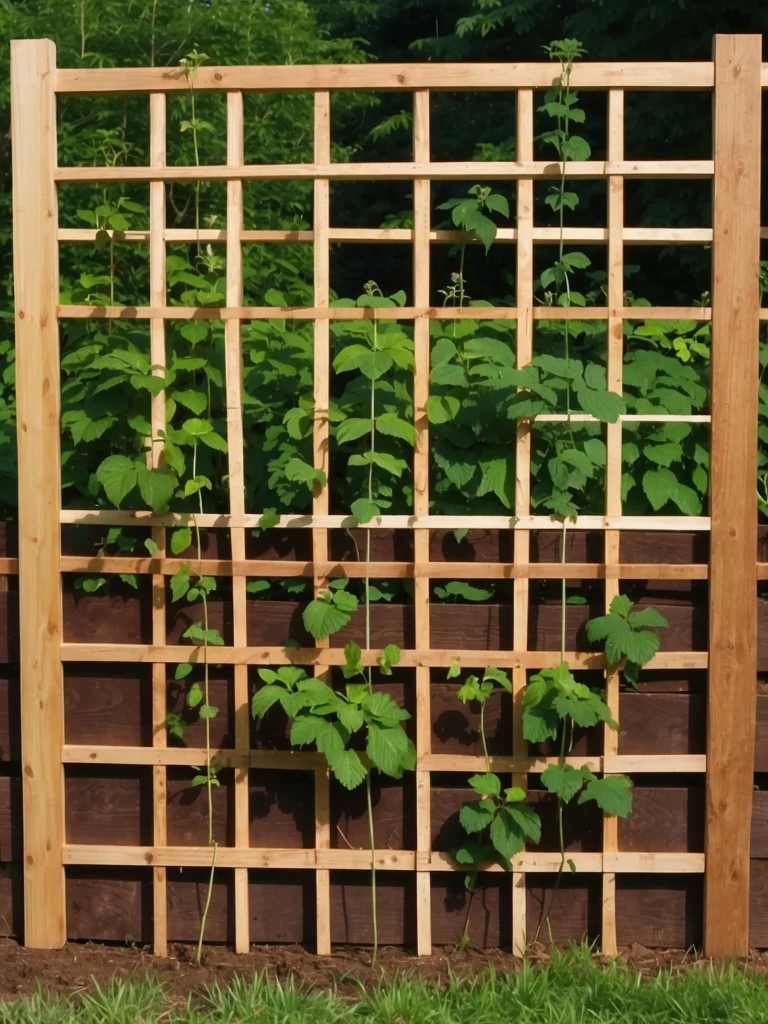
✔ Best For: Repurposing materials and saving money
✔ Why It’s Great: Old fence panels make tall, ready-made supports
Lean an old fence panel against posts or trees and train your raspberry canes up it.
This saves time and gives your garden a rustic, organized look.
Smart Setup: Add extra horizontal wires for tying canes at different heights.
5. A-Frame Trellis
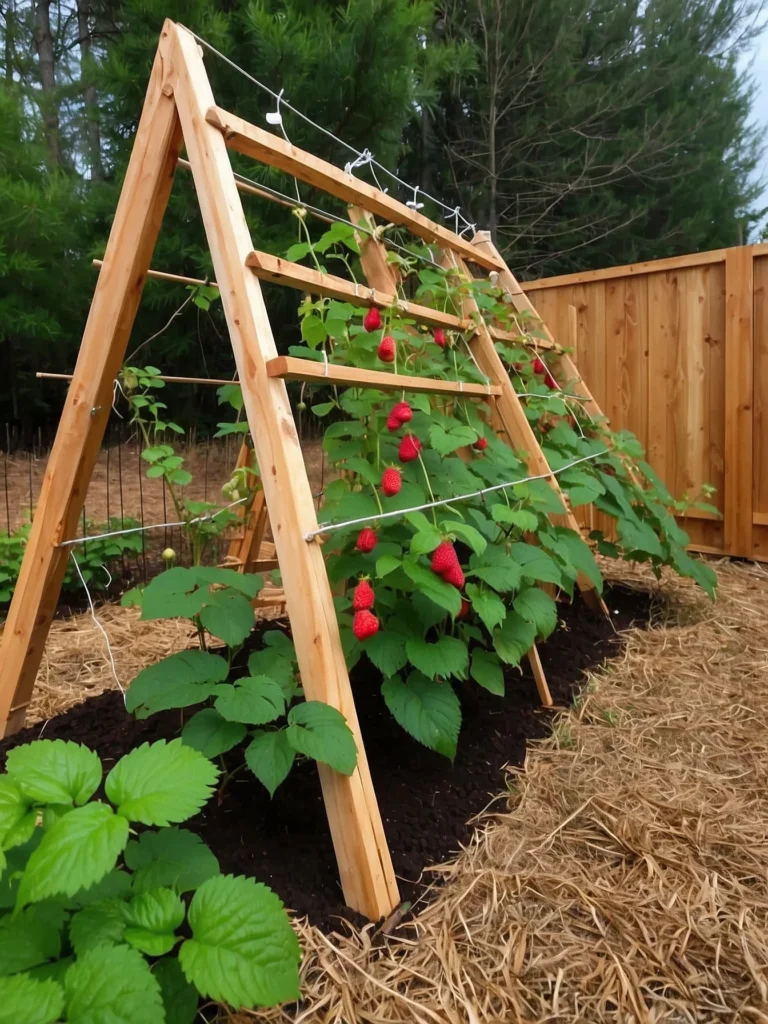
✔ Best For: Small gardens or patios
✔ Why It’s Great: Uses vertical space without a wide footprint
An A-frame trellis lets you grow raspberries upward in a triangle shape.
Best for backyard spaces with limited width — you get support on both sides and easy access to berries.
6. Raised Bed Trellis
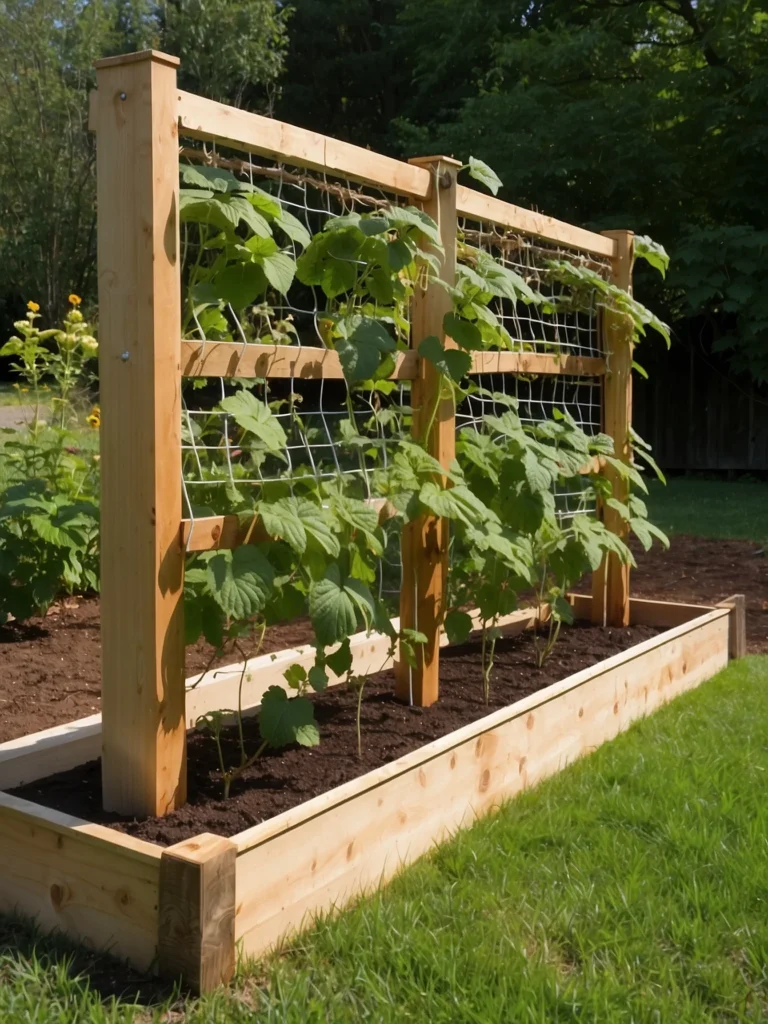
✔ Best For: Gardens with soil issues or drainage problems
✔ Why It’s Great: Combines raised planting with built-in support
Build your raspberry row in a raised bed, then attach trellis posts at the edges.
This keeps fruit off the ground, reduces weeds, and makes it easier to weed and prune.
7. Parallel Wire System
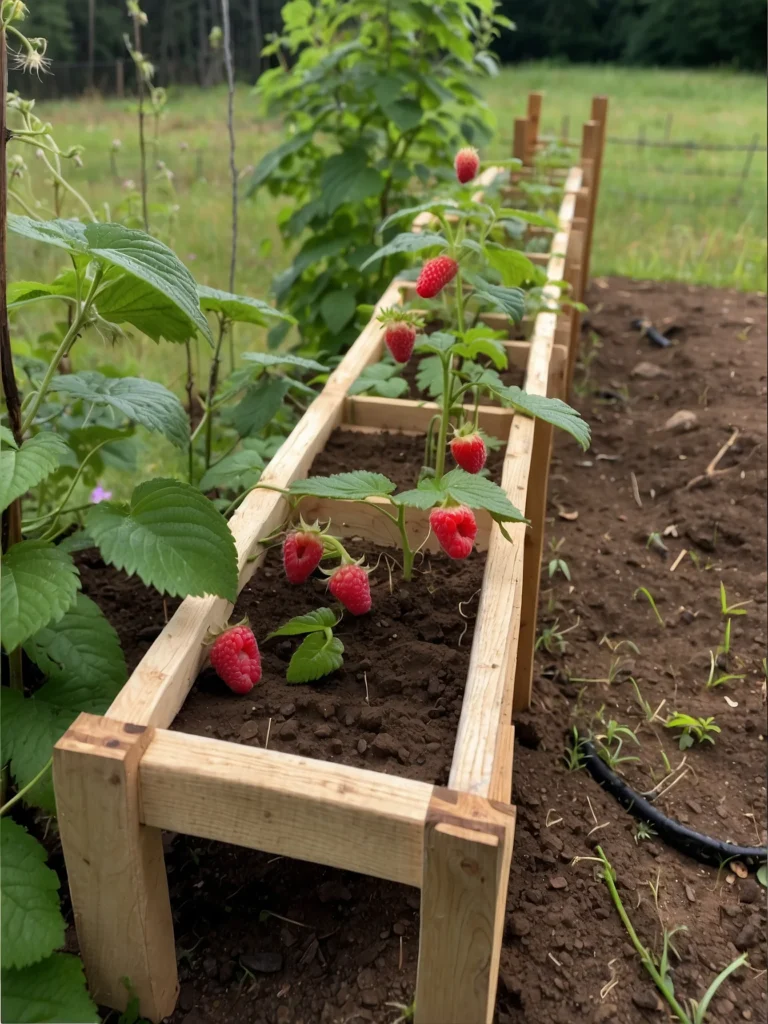
✔ Best For: Growing fall + summer raspberries together
✔ Why It’s Great: Separate wires for seasonal training
Use two or more parallel wires at different levels. Train summer fruiters on one, fall fruiters on another.
This gives you extended harvest time without jumbling canes.
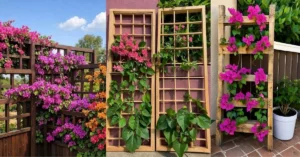
8. Vertical Planter + Trellis Combo
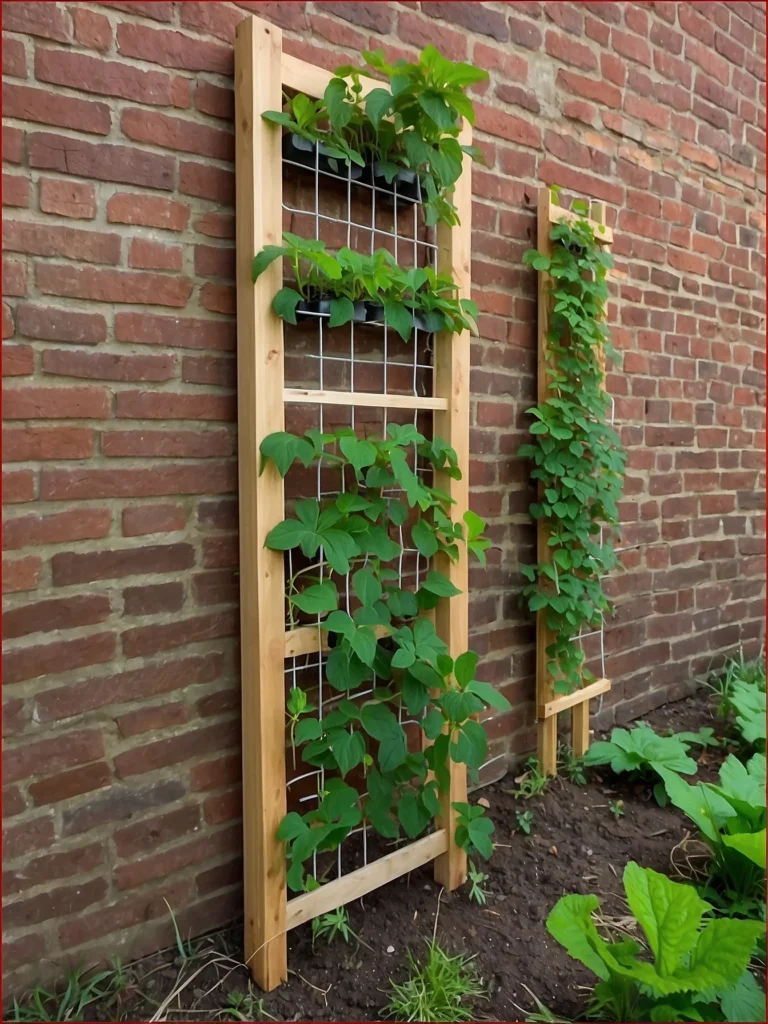
✔ Best For: Urban growers or container gardeners
✔ Why It’s Great: Saves floor space and looks neat
Hang planters along a vertical trellis panel, and guide raspberry canes up the structure.
Easy on small patios or balconies and surprisingly productive.
9. Bamboo Stakes + Twine
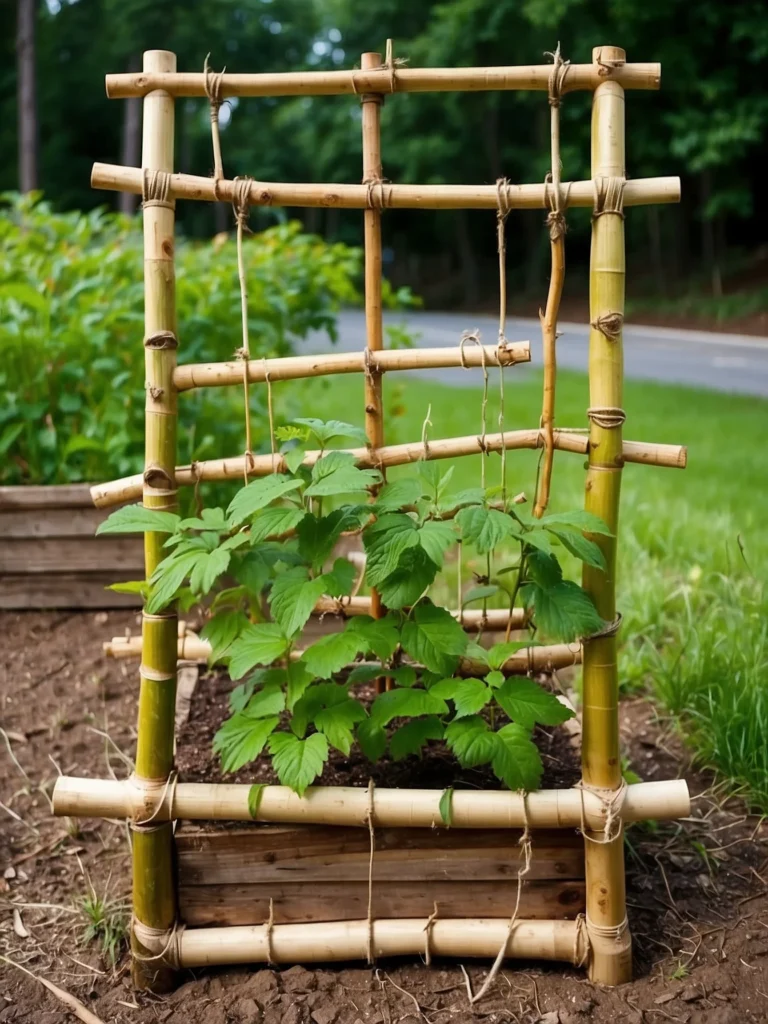
✔ Best For: Natural garden style
✔ Why It’s Great: Uses organic materials
Bamboo stakes are economical and blend beautifully with plantings.
Tie them together with garden twine in a grid or teepee pattern.
Bonus: Replace twine each season to keep support fresh and clean.
10. Ladder-Style Trellis
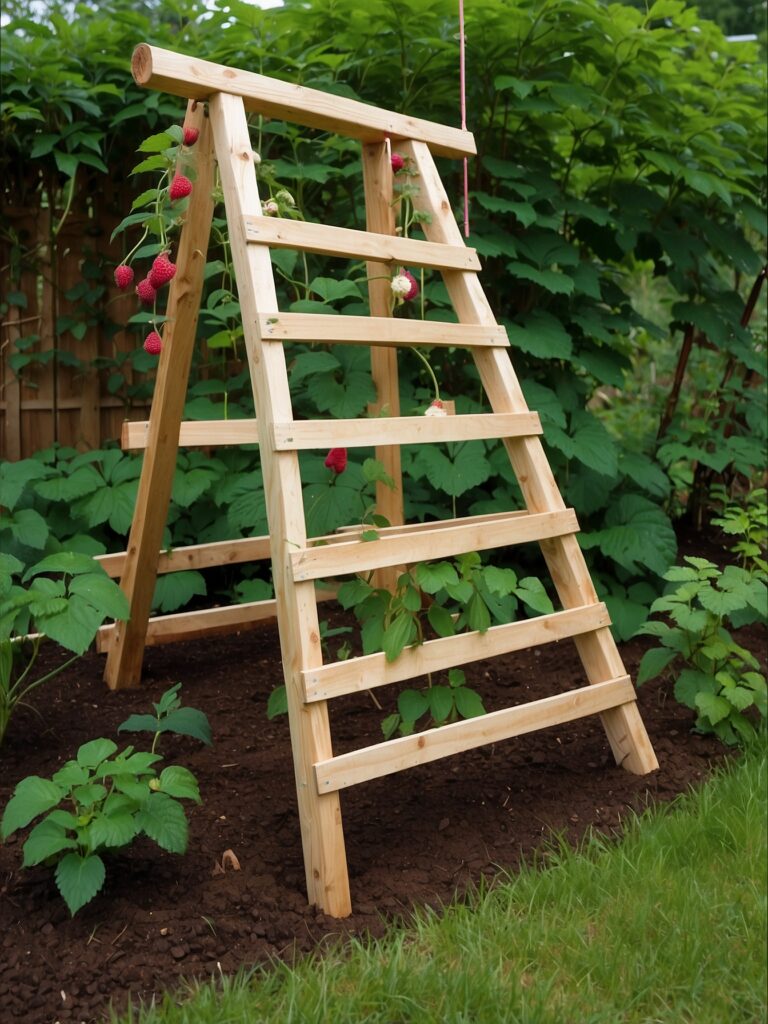
✔ Best For: DIY fans who want a fast setup
✔ Why It’s Great: Simple structure with immediate results
Build or buy a wooden ladder and stand it at the back of your raspberry row.
As canes grow, weave them between rungs. Perfect if you want a weekend project that works.
Must read: 20 Blackberry Trellis Ideas for a Productive & Stylish Garden
Perfect Height & Spacing — Key Details Most Beginners Miss
To get the best results:
- Set wires ~30–48 in above ground
- Keep spacing between support posts at ~10–15 ft.
- Train canes early to prevent tangles.
This gives plants room to grow and keeps them organized for pruning + harvest.
Training Tips Pros Use
✔ Use soft ties so you don’t cut stems
✔ Start tying early in the season
✔ Adjust as canes grow taller
Training canes soon after sprouting makes your trellis system perform better all season.
Seasonal Tweaks for Maximum Yield
Summer-fruiting raspberries fruit on 2-year-old canes — prune accordingly.
Fall raspberries fruit on current season canes — you can tie them higher up for space.
Plan your trellis to handle both pruning cycles.
Improve Airflow & Reduce Disease
Good spacing and vertical training mean more airflow, which:
✔ Lowers mold risk
✔ Reduces pests
✔ Keeps berries cleaner
Lush rows look great AND stay healthier.
Low-Cost Trellis Materials That Still Last
Budget options that hold up:
- Galvanized wire
- Cedar posts
- Recycled wood
- Bamboo stakes
Even cheaper trellises can last years with proper care.
Creative Curved Trellis — Curve With Purpose
Instead of straight rows, curve your trellis for visual interest.
This is great along garden edges or walkways.
Your raspberries will become part of the landscape, not just a row.
Troubleshooting Common Trellis Issues
If wires sag:
- Add tensioners
- Use stronger posts
If canes flop:
- Adjust wire height
- Add more ties
Fixing small problems early keeps plants productive.
Harvesting Made Easier With Smart Trellis Layouts
Train canes so you can reach them at eye level.
This cuts bending and speeds up picking.
Why Good Trellising Pays Off Every Year
A solid trellis system:
✔ Makes maintenance faster
✔ Boosts berry yield
✔ Keeps plants healthy
✔ Improves garden appearance
Every season gets easier once your system is in place.
Must read: 20 Stunning Clematis Trellis Ideas for Vertical Garden Beauty
Final Thoughts
Raspberry trellising doesn’t need to be complicated.
Whether you go with a simple T-post wire setup, a DIY wood frame, or a creative vertical planter system, the goal is the same:
👉 Keep plants supported, organized, and easy to manage.
Pick the idea that matches your space, style, and budget — and your raspberry patch will reward you with sweeter, bigger, more plentiful berries season after season.
💡 What trellis idea are you most excited to try? Let me know in the comments below!
FAQs About Raspberry Trellis Ideas
What is the easiest raspberry trellis idea to build?
A simple two‑wire trellis using sturdy posts is the easiest and most effective support system for raspberries — the kind that keeps canes upright and makes harvesting easier without complicated construction.
How tall should a raspberry trellis be?
Your trellis should be tall enough to support 4‑6 ft-long raspberry canes — typically around 5 ft high, with wires placed at two levels for best support and airflow.
Will trellising raspberries increase fruit production?
Yes — trellising increases sunlight exposure and airflow, which helps plants grow stronger and boosts berry production compared to unruly, unsupported canes.
Can raspberries grow without a trellis?
They can grow without a trellis, but without support they become tangled, harder to prune, and more prone to disease — so even a simple raspberry trellis idea offers major benefits.