
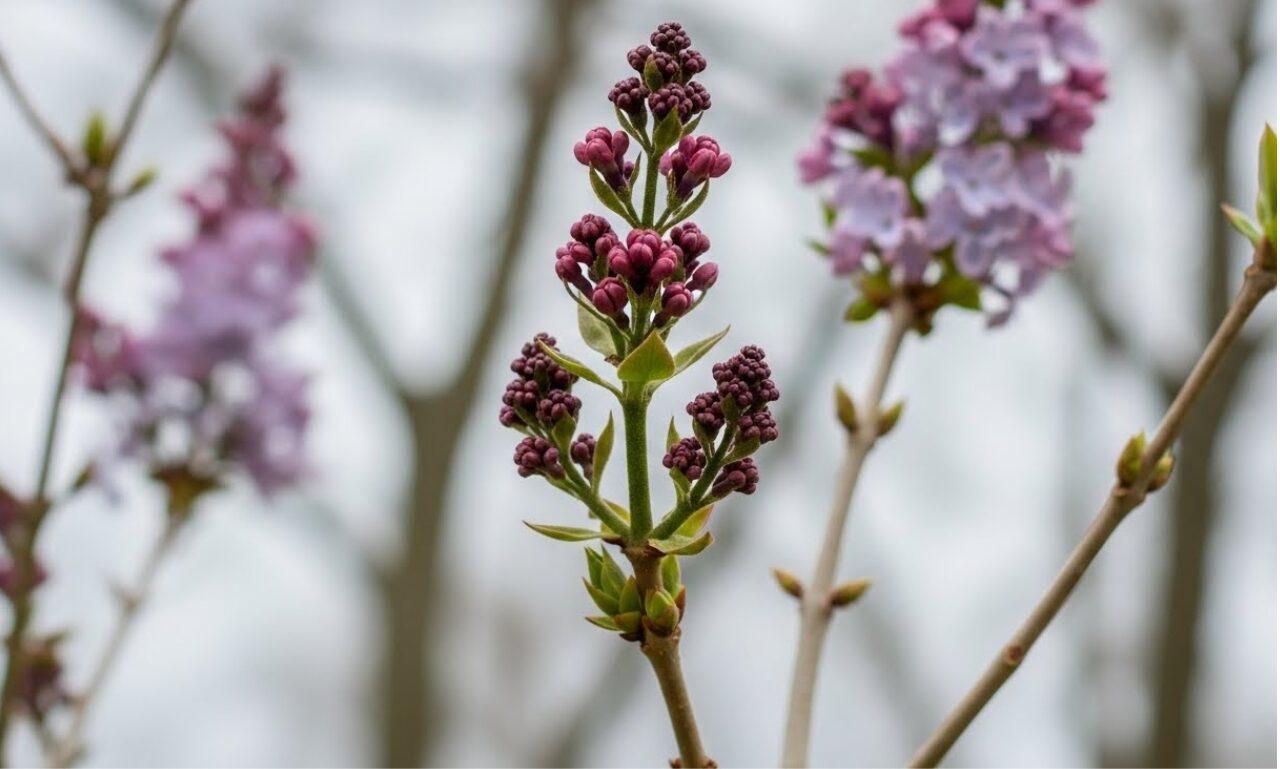
Avoid winter-pruning mistakes as we reveal the right time to prune these plants.
December is midwinter, and one of the riskiest periods for pruning. Any trimming of trees and shrubs must be done at the correct time, because this is when many plants to never prune in December are most vulnerable. Cutting the wrong branches during cold weather can cause long-term stress and damage.
The biggest dangers of pruning in cold weather include removing next year’s flower buds, ruining the spring display, and making plants more sensitive to freezing temperatures. Some species also bleed sap heavily in winter, increasing the risk of infection and making them classic plants you shouldn’t prune in winter.
To help you avoid these winter pruning mistakes, this guide highlights the seven major plants to never prune in December. Keeping your pruning tools away from these trees and shrubs will prevent dieback, protect blooms, reduce stress, and stop unnecessary damage during the coldest months.
7 plants to never prune in December
Here is a list of seven more plants to never prune in December, to help gardeners avoid the wrong time to prune and protect their landscape this season.
1. Lilac
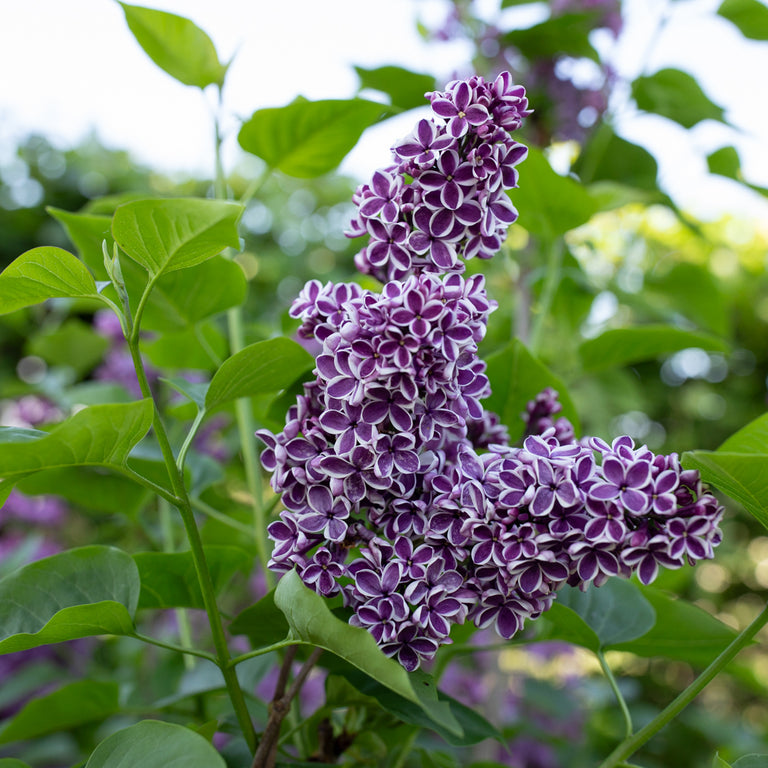
Lilac is one of the top plants to never prune in December, because it relies on old wood to produce its famous sweet-smelling spring flowers. Lilacs develop next year’s buds throughout the summer, which means winter is the wrong time to prune them.
You can deadhead lilacs to keep them tidy, but the main pruning must always be done right after flowering. If you prune lilacs in fall or winter, you are cutting off all the stems that would carry next spring’s blooms. This is one of the most common winter pruning mistakes, as pruning in cold weather simply removes the flower buds and ruins the display.
2. Forsythia
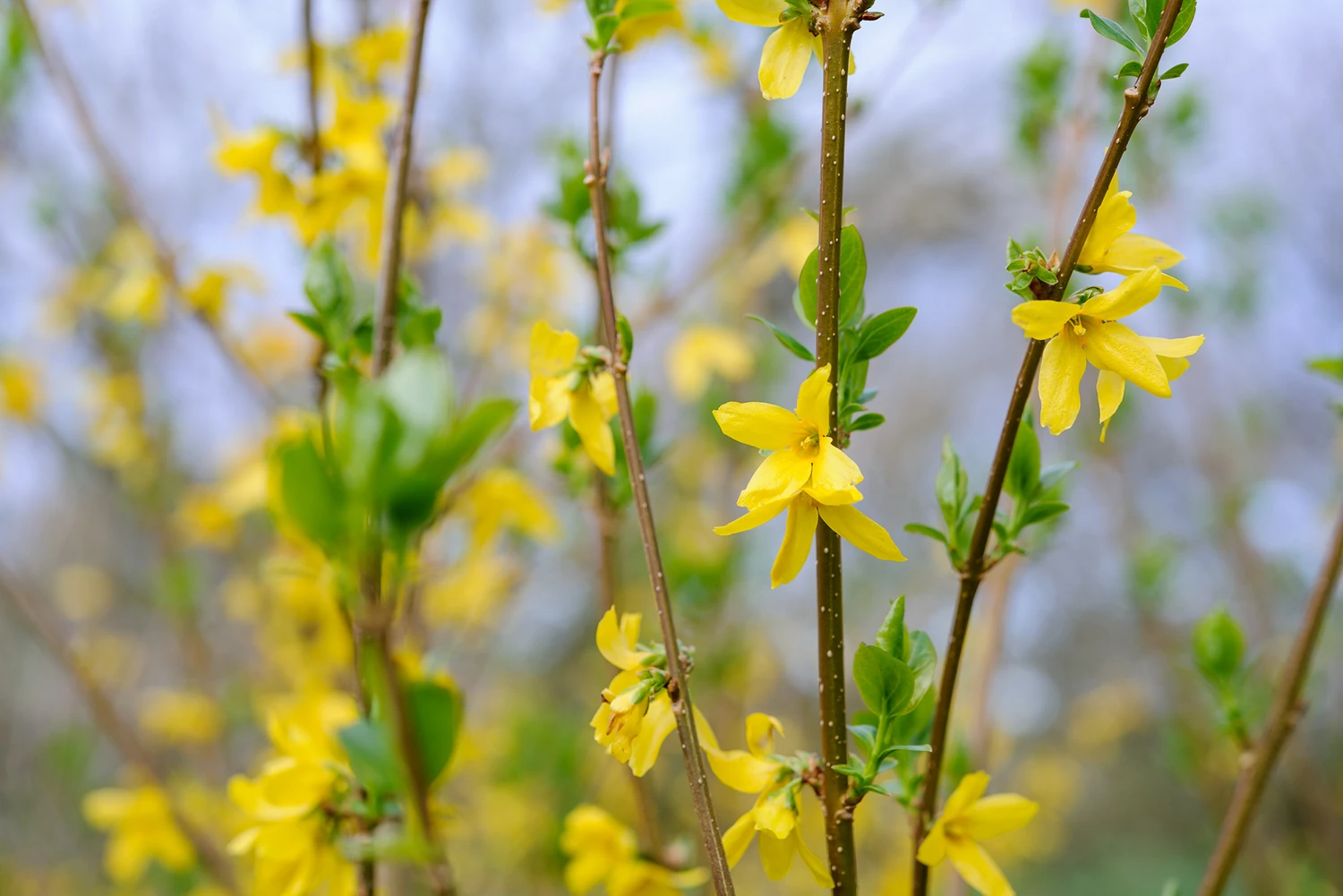
Forsythia is known for its bright yellow blooms that appear early in the year, bringing a burst of color after a long, cold winter. But pruning this shrub too early is a common winter pruning mistake, because cutting it in the cold season removes the stems that would produce next spring’s flowers.
The correct time to prune forsythia is after it finishes flowering, usually between April and June, depending on your climate. Since it blooms on last year’s growth, any trimming in fall or winter will remove the branches that hold next season’s buds. To keep the display strong, wait until flowering is complete before shaping or thinning the shrub.
3. Boxwood

Boxwood is a classic evergreen shrub valued for its dense foliage and versatility. Whether you’re shaping elegant topiary, maintaining a tidy hedge, or growing standalone shrubs, its small, glossy leaves make it ideal for formal garden designs.
The best time to trim boxwood is during spring or summer, when the shrub is actively growing and can recover quickly. Cutting it during cold months can lead to stress, slow healing, and even winter burn. Frost and icy winds often cause the leaves to turn yellow or brown after off-season pruning, so it’s best to delay shaping until the weather warms.
4. Mock Orange
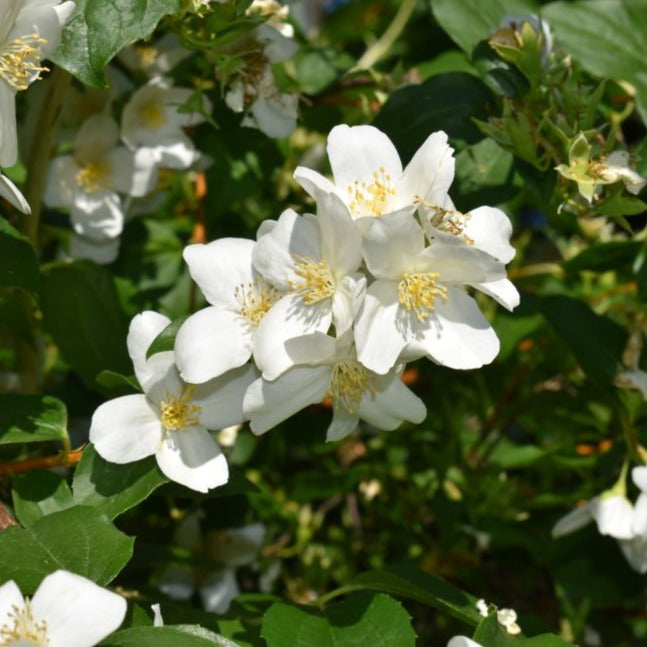
Mock orange (Philadelphus) is admired for its fragrant white blooms and citrus-like scent, making it a favorite for borders and cottage-style gardens. With a wide variety available, gardeners can choose options suited to small spaces or larger backyard designs.
All types of mock orange share one rule: prune immediately after flowering, usually in June or July. The shrub blooms on last year’s growth, so any cutting done in late fall or winter will remove the stems that would carry next season’s flowers.
If an older mock orange needs rejuvenation, it’s better to remove a few of the oldest stems each year rather than heavily cutting in winter. This gradual approach keeps the shrub healthy without sacrificing an entire season of blooms.
5. Poplar
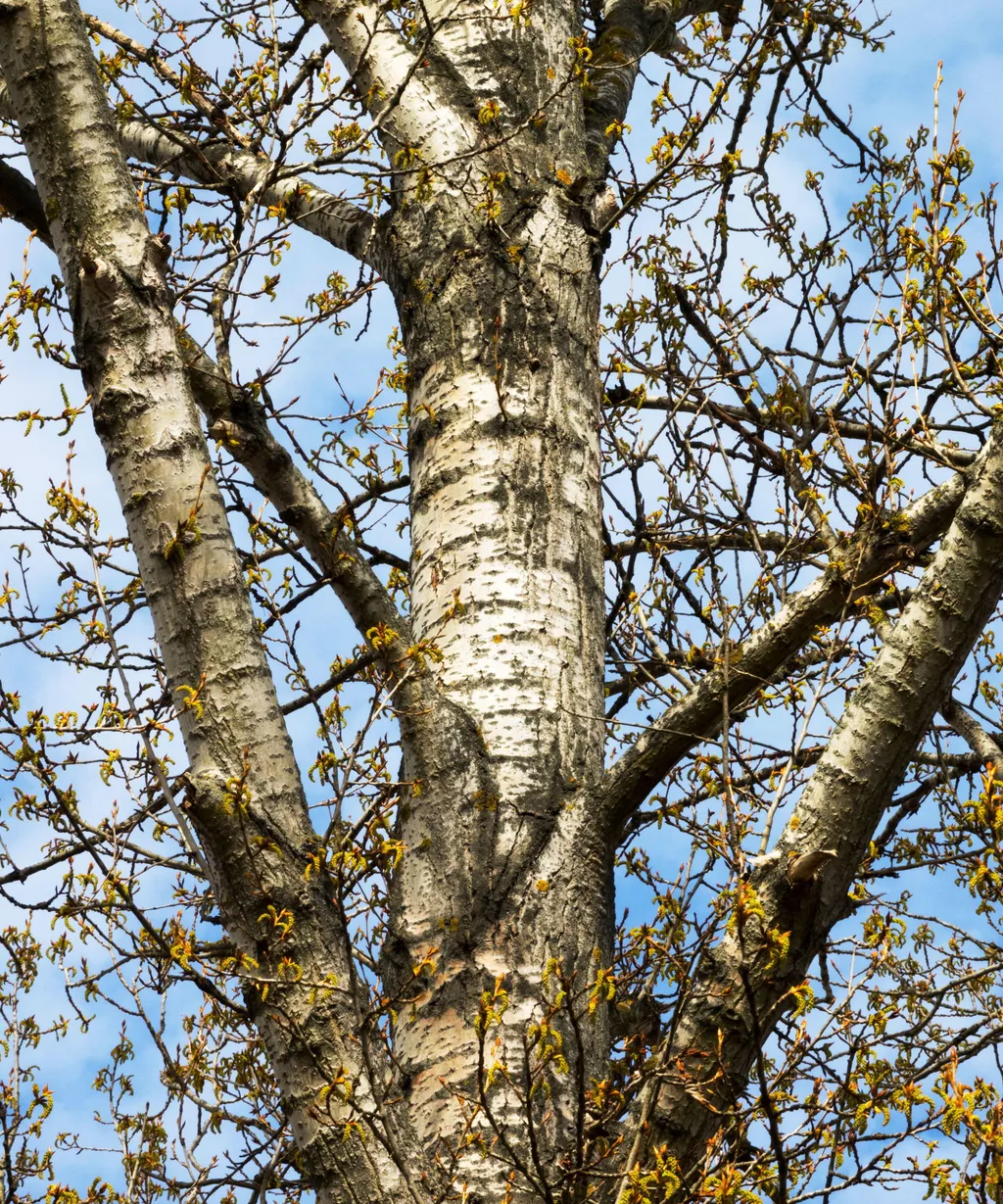
Poplar trees belong to a group commonly called ‘bleeder trees’, which also includes birch, elm, maple, willow, and beech. These trees release large amounts of sap if pruned at the wrong time, which can weaken their structure and make them more vulnerable to pests and diseases.
The ideal time to prune poplars is late spring to early summer, after the leaves are fully developed. By this stage, sap flow has slowed, allowing the tree to recover faster from cuts and reducing excessive bleeding.
Avoid trimming large branches during the winter months. Winter pruning stresses bleeder trees, causes sap loss, and can leave wounds that are slower to heal, putting the overall health of your trees at risk.
6. Peach Trees
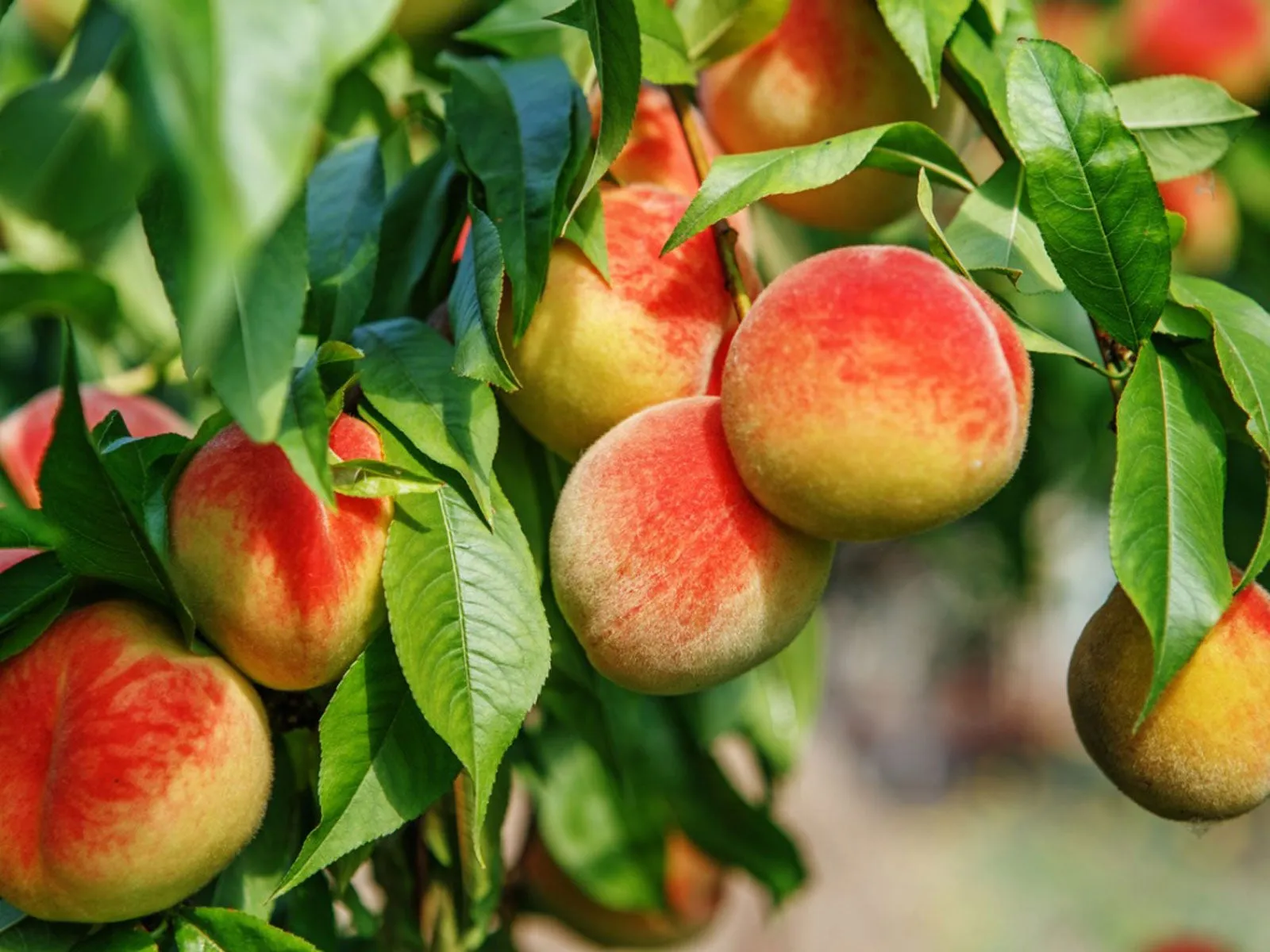
Pruning peach trees at the wrong time can harm both the tree’s health and fruit production. Peach trees, like other stone fruits such as nectarines and apricots, should never be pruned in December or during winter dormancy.
The best time to trim peach trees is spring or summer, when the trees are actively growing. Peach trees fruit on last season’s wood, so pruning at the right time encourages the growth of new fruiting stems and ensures a bountiful harvest of soft, juicy peaches.
Winter pruning can also make peach trees susceptible to silver leaf disease, a fungal infection that enters through fresh cuts and can damage branches and foliage. To protect your peach trees, always avoid winter pruning and wait until the growing season for proper maintenance.
7. Plum Trees
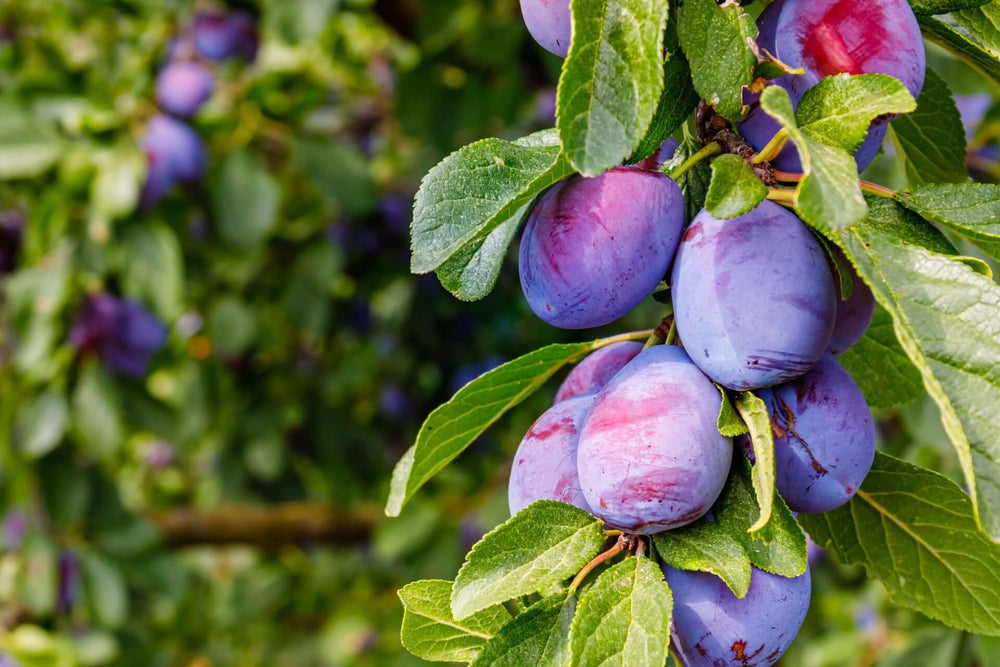
Plum trees are a diverse group of stone fruits, including damsons, greengages, and other dessert or culinary varieties. Like other stone fruits, plum trees should never be pruned in December, as winter cuts can damage buds and reduce next season’s fruit yield.
The ideal time to prune plum trees is during their active growing season in spring or summer. Pruning during winter dormancy increases the risk of diseases such as silver leaf or bacterial canker, which can create dead patches of bark and holes in the foliage. Cherry trees, which are closely related, also share this vulnerability and should be pruned together.
Avoiding winter pruning ensures that your plum trees remain healthy, maintain strong branches, and produce abundant fruit. If December is your only option, it’s safer to wait until late winter or early spring when the threat of frost and cold damage is minimal.
Safety & Tool Maintenance Tips
Proper pruning depends not only on timing but also on using clean, sharp, and well-handled tools. Maintaining your equipment protects both you and your plants, ensuring each cut is clean and healthy.
1. Always Sterilize Your Tools
Dirty blades can spread pests, fungi, and bacterial diseases from one plant to another.
Before and after pruning each plant:
- Wipe blades with 70% isopropyl alcohol.
- Or dip tools in a 10% bleach solution (dry thoroughly to prevent rust)
2. Keep Blades Sharpened
Sharp blades make clean cuts that heal quickly. Dull tools crush stems, creating wounds that take longer to heal and are more prone to infection.
Use a sharpening stone or handheld tool to keep pruners, shears, and loppers sharp throughout the season.
3. Inspect Tools Before Use
Check for:
- Loose screws or bolts
- Cracked handles
- Bent blades
- Sticky sap buildup
Fixing small issues early prevents accidents and ensures smooth cutting performance.
4. Store Tools Properly in Winter
Cold, damp storage leads to rust and dull blades. After your final fall pruning session:
- Clean tools thoroughly
- Dry them completely
- Apply a light coat of oil to metal parts.
- Store them in a dry, indoor location.
5. Use the Right Tool for the Job
Selecting the correct tool improves safety and prevents plant damage:
- Bypass pruners for live stems
- Anvil pruners for deadwood
- Loppers for thicker branches
- Hedge shears for shaping foliage
- Saws for large limbs
6. Wear Proper Protective Gear
Gloves, eye protection, and sturdy shoes reduce risk when handling sharp tools or pruning larger branches.
By following these safety and maintenance practices, you’ll ensure smoother cuts, healthier plants, and longer-lasting equipment every season.
Shop Pruning Tools
Pruning Set
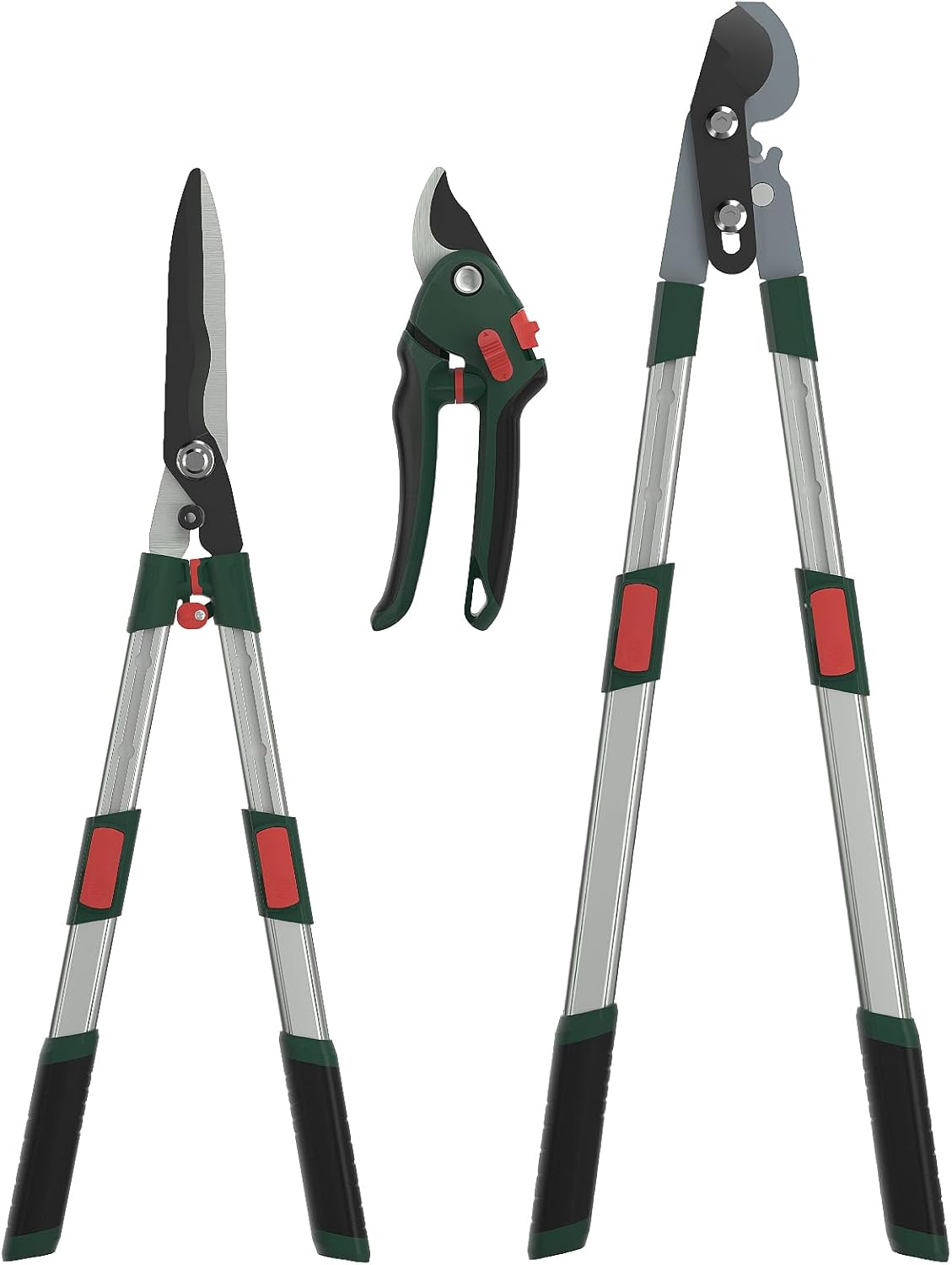
This three-piece pruning set is perfect for all garden tasks. It comes with bypass loppers, hedge shears, and pruning shears with telescopic handles for hard-to-reach branches. Designed for durability and ease, it makes trimming trees, shrubs, and hedges effortless.
Loppers Hedge Clippers & Pruners 3-Piece Set
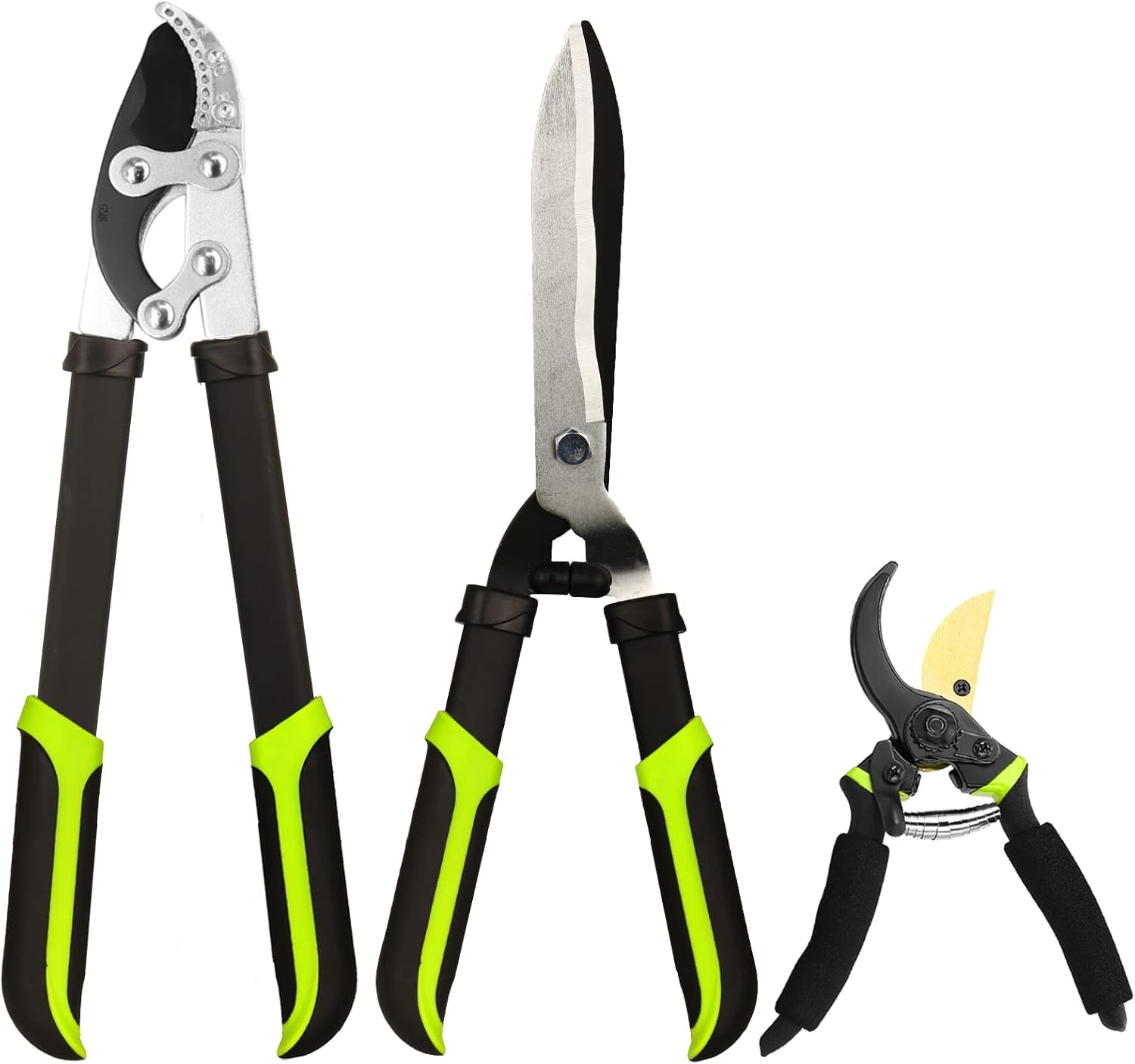
This three-piece loppers and hedge clippers set is perfect for all trimming needs. It includes hedge shears, sharp tree trimmers, and branch cutters designed for both indoor and outdoor gardening. Built for precision and durability, it makes pruning trees, shrubs, and hedges simple and efficient.
Felco F-2 Hand Pruners
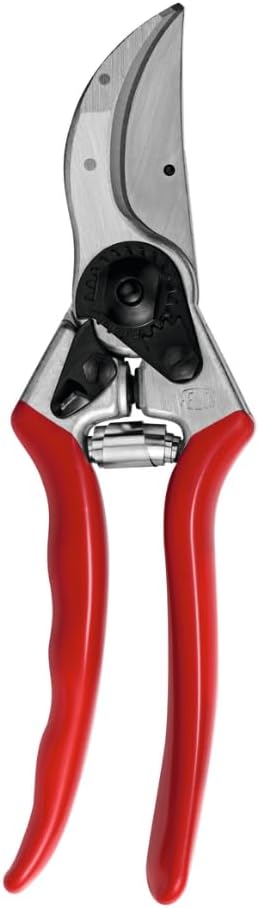
These Felco F2 Pruning Shears feature a precision bypass blade and a durable aluminum body, making them perfect for professional pruning and general garden maintenance. The ergonomic design ensures comfort, while replaceable parts extend the tool’s lifespan. Ideal for trimming shrubs, branches, and flowers with accuracy and ease.
Okatsune Pruning Shears
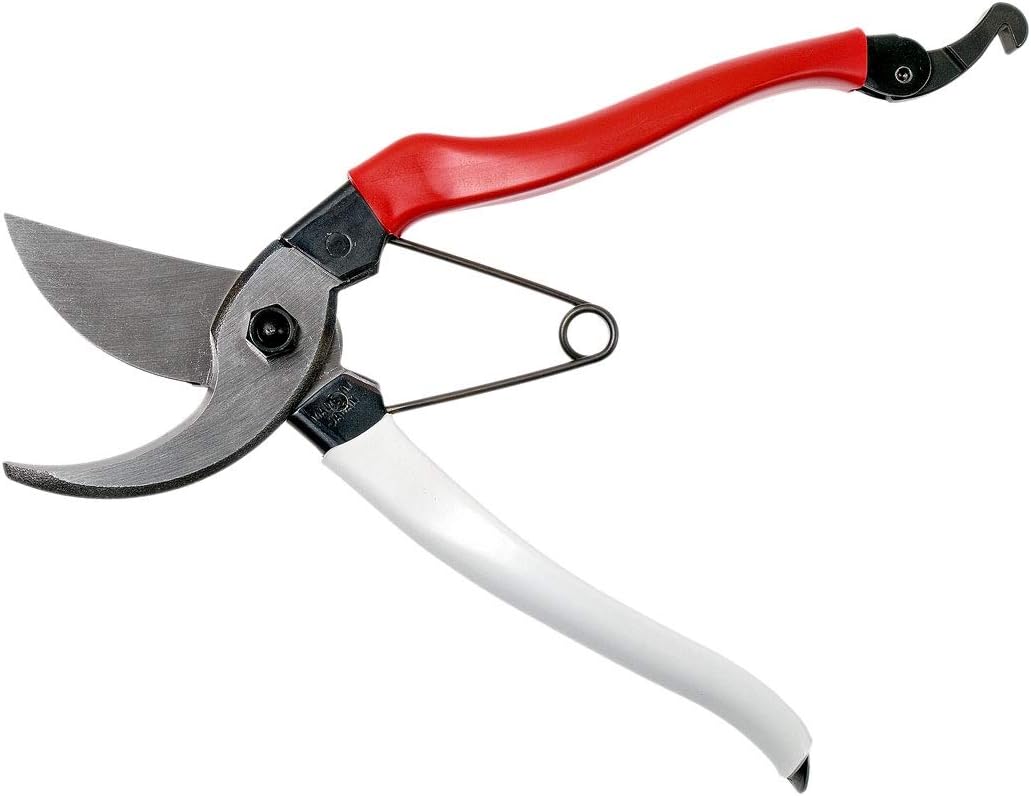
These Okatsune 103 Bypass Pruners are medium-sized, general-purpose garden shears designed for precise cutting of branches, shrubs, and plants. With a high-grade steel blade and comfortable handle, they provide durability and ease of use for both indoor and outdoor gardening tasks. Perfect for gardeners seeking reliable, long-lasting pruning tools.
Retro Pruning Shears
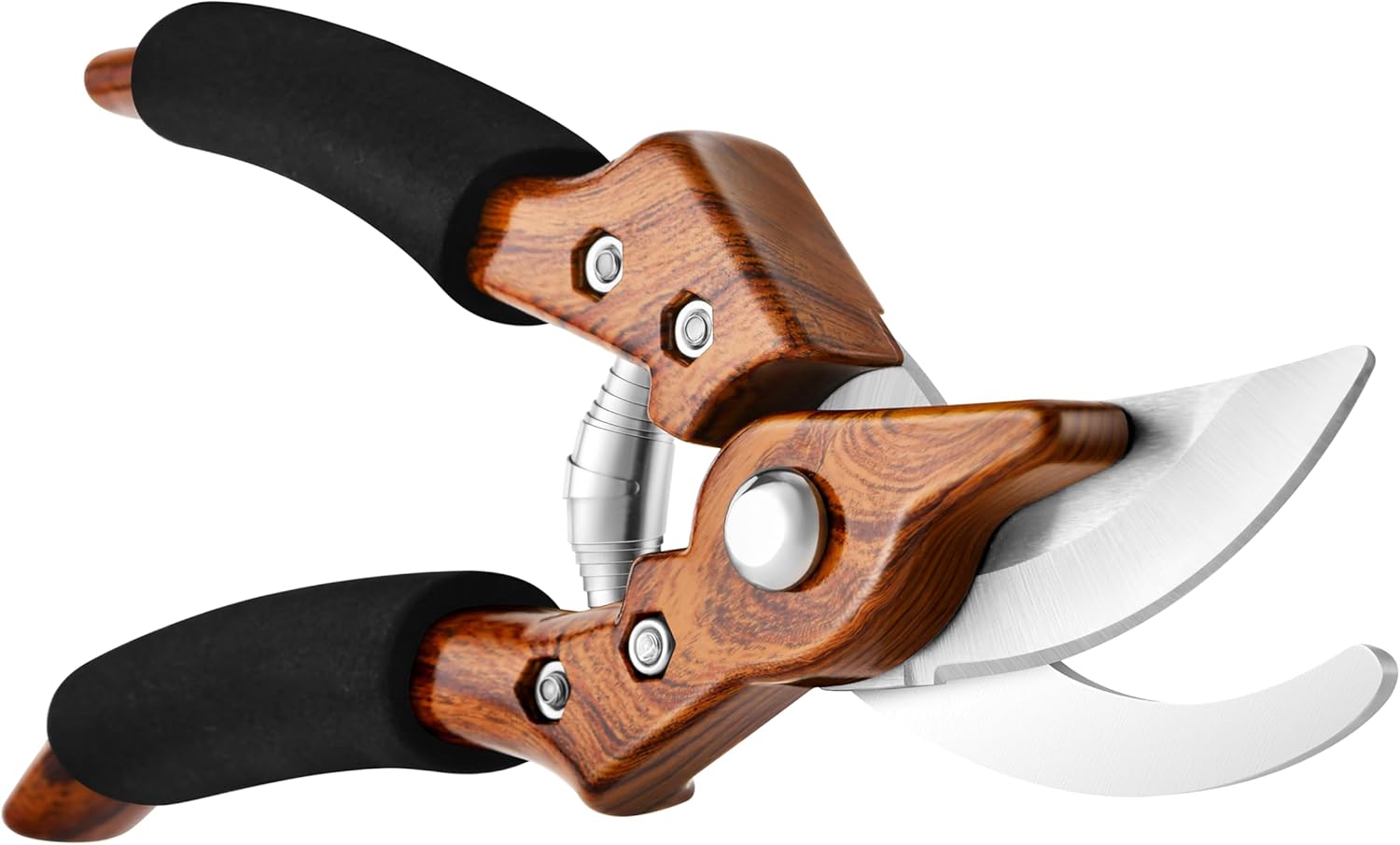
These 8″ Bypass Pruning Shears are versatile garden clippers designed for precise cutting of branches, stems, and shrubs. Perfect for hand pruning, gardening tasks, and maintaining healthy plants, they combine sharpness, durability, and ergonomic comfort for all indoor and outdoor gardening needs.
Sharpening Tool
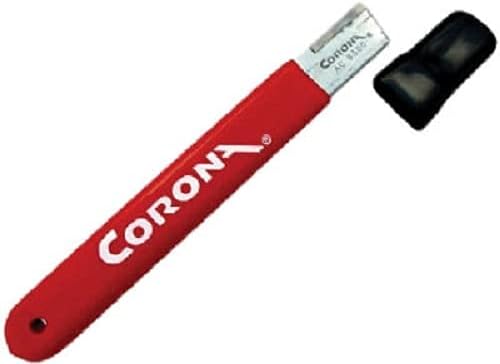
Keep your pruning tools razor-sharp with the Corona AC 8300 Sharpening Tool. Perfect for shears, loppers, and clippers, this compact 2-pack ensures clean, precise cuts every time.
