
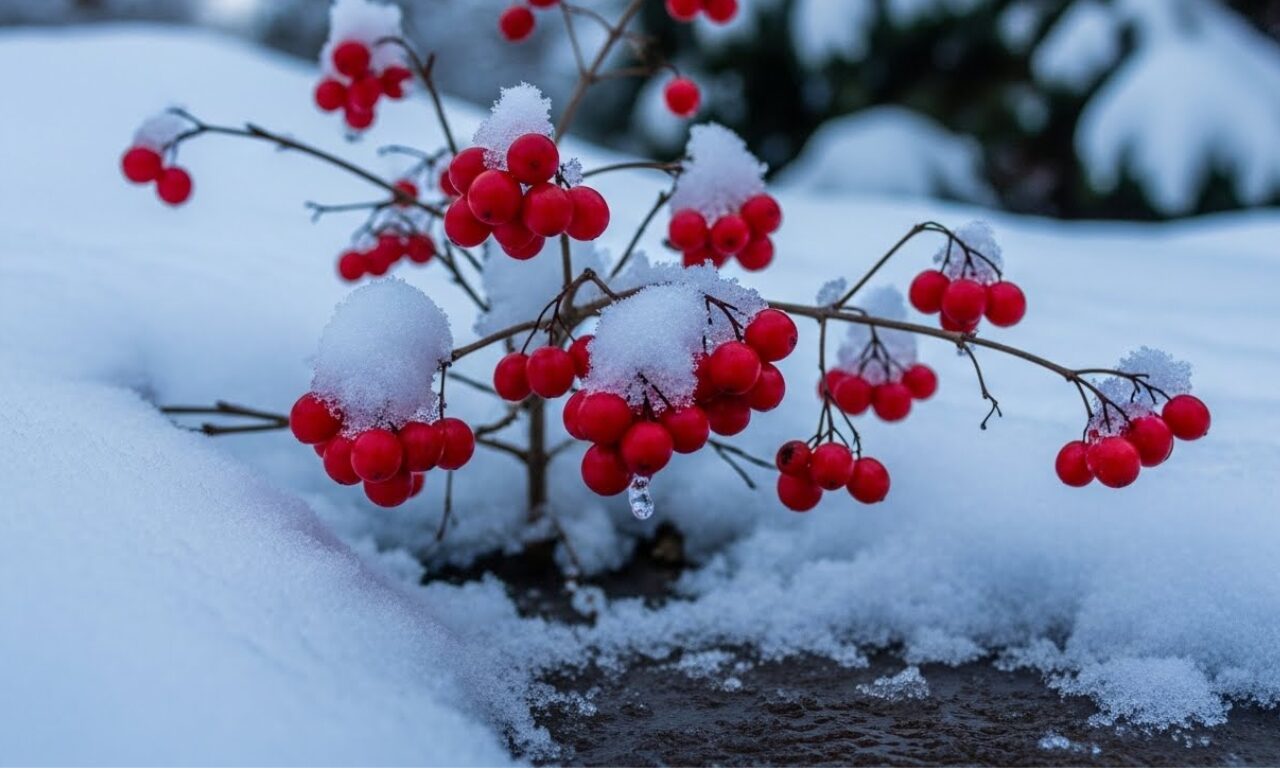
Add one to your yard for a joyful display every birthday.
You may not realize it, but there’s a whole world of birth month plants we each share a special connection with — and the newest trend taking over the gardening world is birth month berries.
Just like birth month flowers and birth month trees, there’s now a berry that represents every month of the year. While this list isn’t culturally traditional or historically assigned, our expertly curated selection highlights seasonal berry-producing shrubs that naturally represent each month through color, timing, symbolism, and garden appeal.
These shrubs make beautiful additions to any landscape — offering ornamental berries, seasonal color, and a celebratory burst of beauty when your birthday comes around. They also offer thoughtful garden-lover gift ideas, especially for those who love meaningful plants or want a personalized garden display year-round.
12 Beautiful Birth Month Berries
From shrubs with brilliant fall berries and vibrant winter fruits to edible summer berries, there truly is a berry-producing shrub for every time of year. Much like birth-month flower seeds, their seasonal rhythm makes them ideal for a birth-month gardening concept, adding personality, symbolism, and year-round beauty to your outdoor space.
January – Snowberry
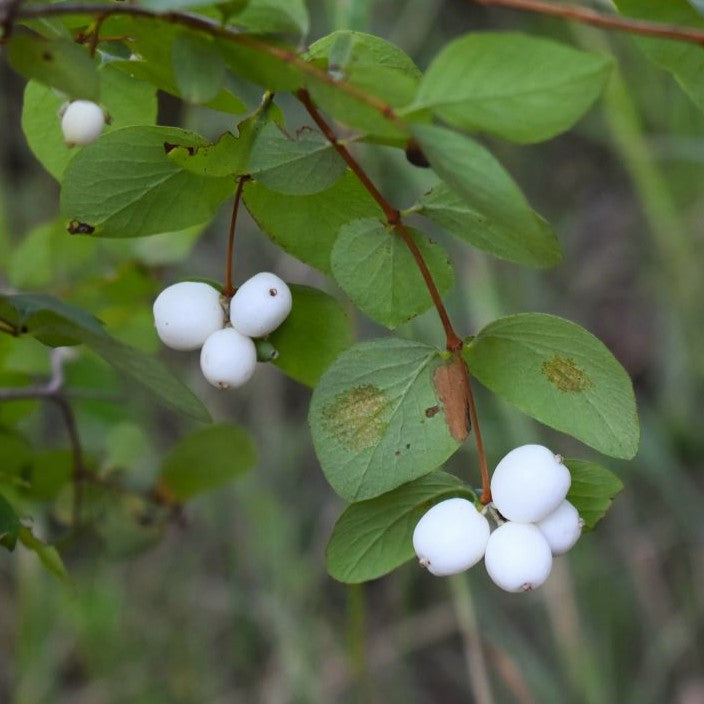
Snowberry (Symphoricarpos) is the perfect birth month berry for January. In the quiet heart of winter, this hardy shrub stands out with its charming clusters of velvety white berries perched on bare, chocolate-brown stems. Some varieties even develop a soft pink blush, adding a subtle pop of color when the rest of the garden is resting.
While snowberries are not edible, they are cherished for their ornamental value. Their round, pearl-like fruits make beautiful winter stem cuttings for indoor arrangements, adding texture and seasonal interest to vases and wreaths.
When it comes to care, pruning timing is everything. To enjoy the berries for as long as possible, wait until early spring to prune — cutting too soon will remove the winter display.
Snowberries produce their berries on new wood, so focus on taking out the oldest, thickest stems during your yearly prune. A pair of sharp bypass pruners, such as Fiskars bypass pruning shears, is ideal for making clean, precise cuts.
February – Winterberry

Winterberry (Ilex verticillata) is the perfect birth month berry for February, staying true to its name with vibrant red berries that brighten even the coldest days. While its winter display is its claim to fame, this shrub offers four-season interest, making it a standout in any garden.
In spring, delicate white flowers appear among fresh green leaves. By summer, tiny green berries begin forming, slowly ripening as fall approaches. Come autumn, the berries turn a bold red just as the foliage shifts to warm golden tones. And in winter, when the leaves have dropped, the berries take center stage — glowing like ornaments on bare branches.
Although winterberry is not edible, it is unrivaled as an ornamental shrub and is beloved for holiday arrangements and wildlife-friendly landscaping. To help your plant thrive, select a sunny spot that receives at least six hours of direct daylight each day. If upper branches begin shading the lower ones, prune selectively to ensure light reaches all parts of the plant.
March – Firethorn
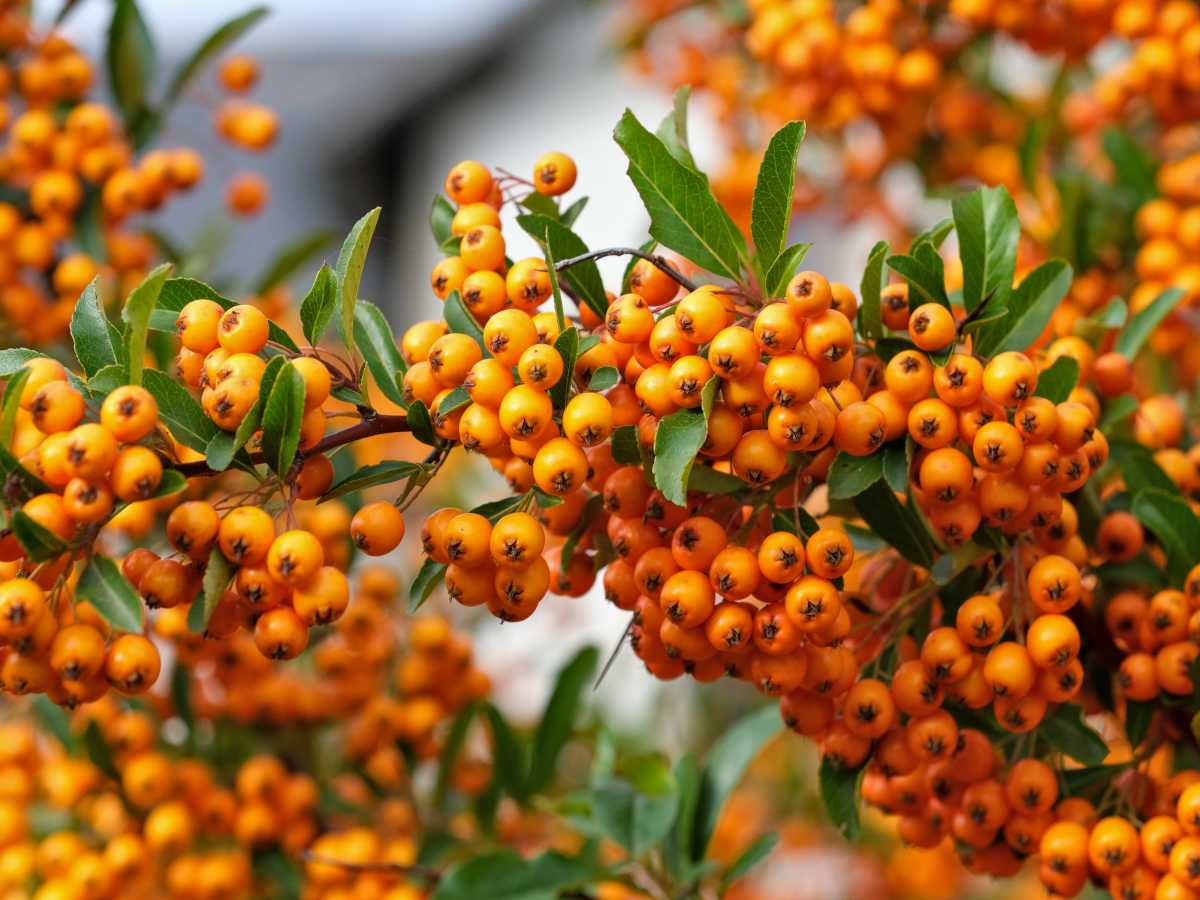
Firethorn (Pyracantha) is one of the rare shrubs whose berries continue to shine into March. As many winter berries begin to fade, their vivid clusters of orange and red fruits remain, glowing against glossy, lance-shaped evergreen foliage. Just as these berries linger, spring brings a fresh display — abundant white flower clusters that can blanket the branches when in full bloom.
These berries are not edible when raw, but they have traditionally been used to make jellies and jams. If doing so, great care is required to process the fruit correctly to avoid illness, so this is best left to experienced foragers or gardeners.
Firethorn also benefits from thoughtful pruning. In late winter, focus on removing crossing or congested branches to improve airflow and reduce the risk of issues such as fire blight. With proper care, this striking shrub will offer year-round beauty and a burst of berry color right through early spring.
April – Salmonberry
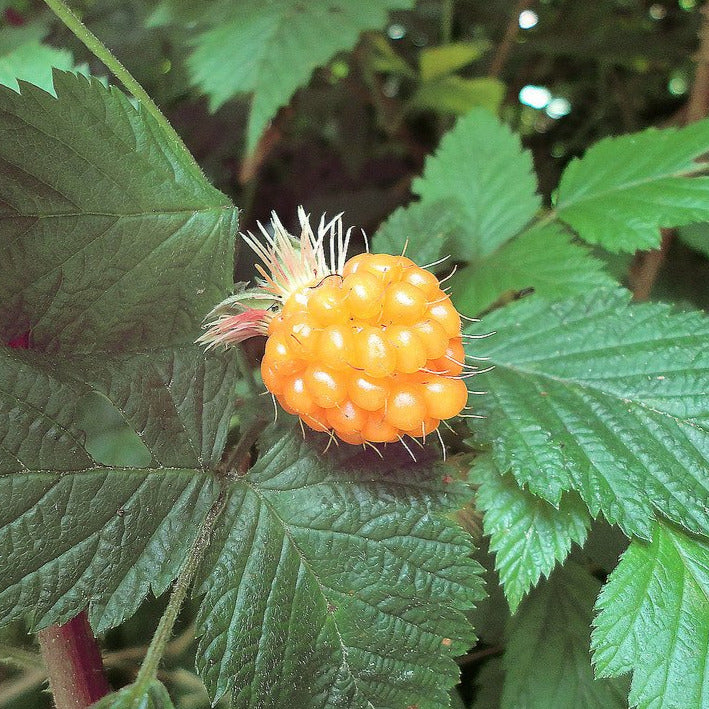
Salmonberry (Rubus spectabilis) is one of the most unique berry-producing shrubs you can grow, and April is when its beauty truly begins. Large magenta flowers appear early in the month, drawing in bees, butterflies, and even hummingbirds with their rich color and nectar.
Once pollinated, small green fruits begin to form. At first glance, they resemble raspberries — a nod to their close botanical relationship — but as spring progresses, they take on a distinctive orange shade before turning a deep red in early summer.
This is an edible berry, prized for its tart, refreshing flavor. Gardeners often use salmonberries for homemade jams, syrups, and even desserts.
To help this shrub thrive, plant it in a spot with dappled or partial sunlight and keep the soil consistently moist. Its natural woodland preference makes it an excellent choice for shaded borders, forest-style gardens, or any space where you want seasonal berry interest with a touch of wild charm.
May – Honeyberry
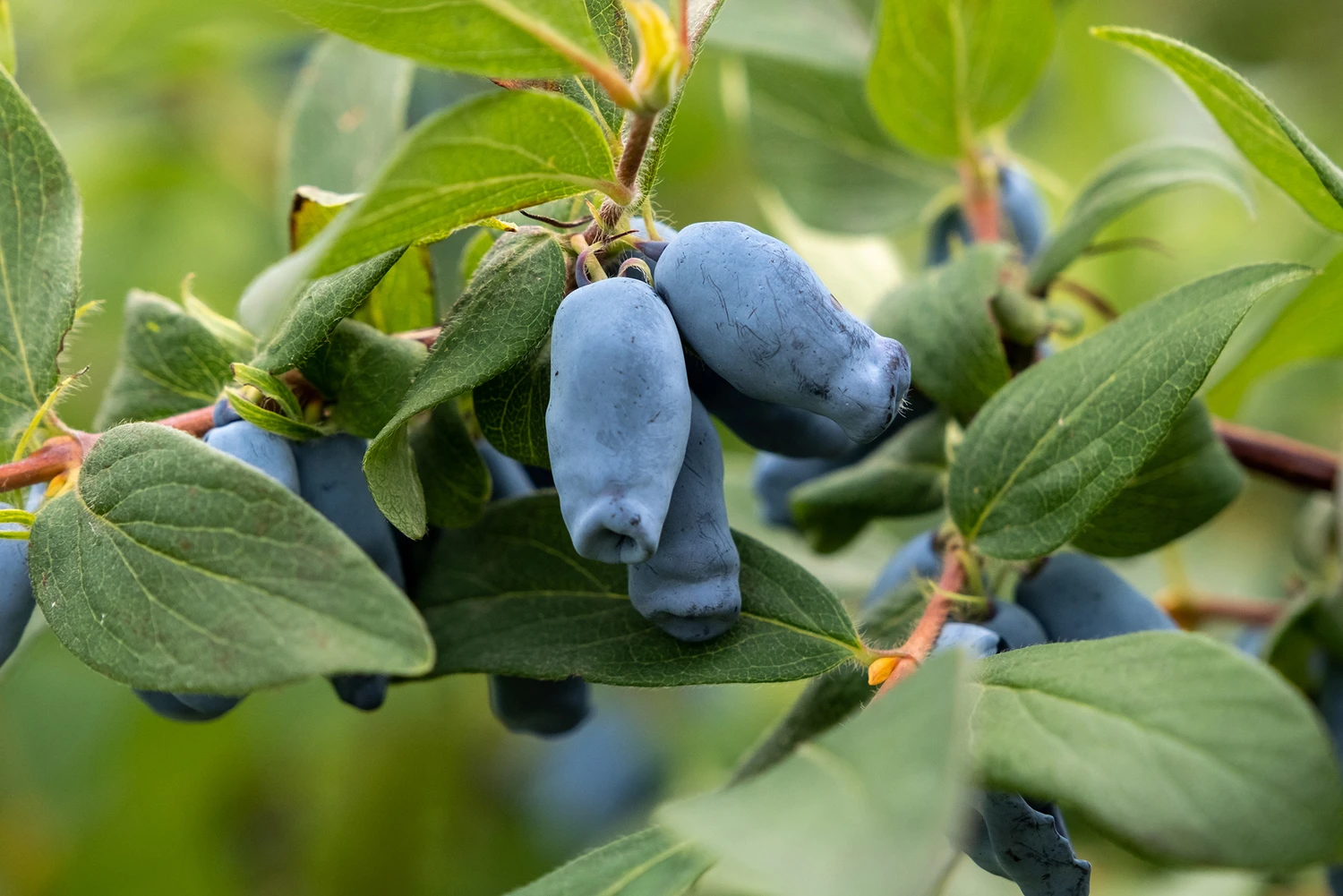
Honeyberry (Lonicera caerulea) is one of the lesser-known fruiting shrubs, but May is when it starts to reveal its charm. Its berries are still in their early stages this month — small, green, and hidden among clusters of delicate tubular flowers.
These blooms, usually white to pale blue, carry a sweet, honey-like fragrance that draws in bees and other beneficial pollinators, setting the stage for a productive harvest.
As a seasonal berry-producing shrub, honeyberry works beautifully in hedgerows, edible gardens, and small fruit patches. By early summer (typically June), the berries ripen into elongated blue fruits that resemble stretched blueberries. They’re fully edible and often enjoyed fresh for their mildly tart, blueberry-like flavor.
One important care note: honeyberries are not self-fertile, so you’ll need at least two different varieties to ensure proper cross-pollination and good fruit yield.
With the right pair, you’ll enjoy a generous crop each year, making it an excellent choice for gardeners who love discovering new and unusual edible summer berries.
June – Strawberry
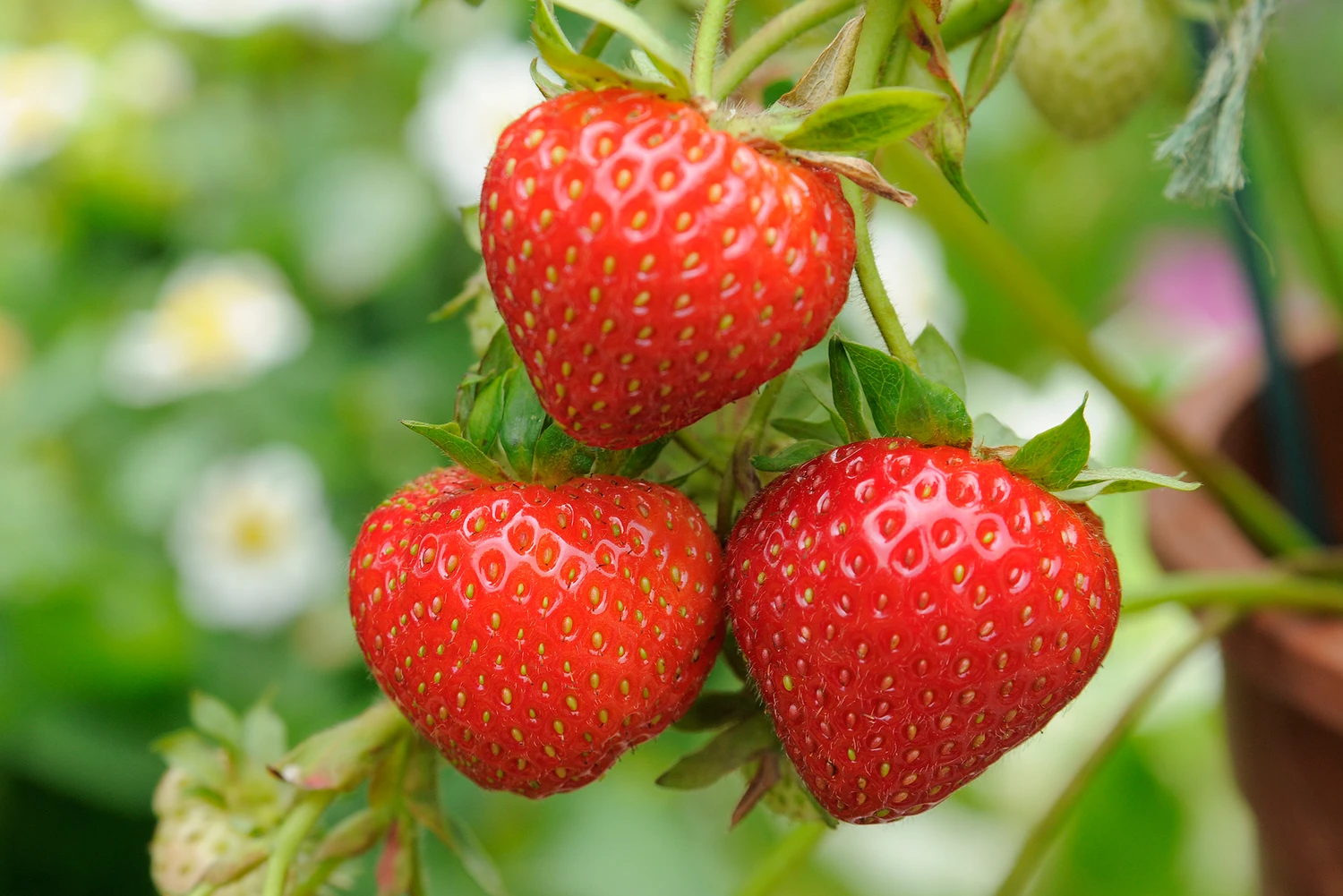
June is the perfect month to celebrate one of the most beloved edible summer berries: strawberries. These vibrant red berries are a staple in kitchen gardens thanks to their sweet flavor, ease of growth, and versatility in desserts, salads, and preserves. By early summer, the first harvest of strawberries is ready, offering a delightful treat straight from your garden.
To make picking easier, consider a stylish harvest basket (from Amazon) — perfect for gathering fruit while adding a touch of charm to your garden routine. For a bountiful crop, keep an eye out for common strawberry problems like fungal infections or pests, and plant companion flowers such as marigolds (from Walmart) to naturally deter insects.
Strawberries are more than just tasty — they bring colorful seasonal gardening personalization to your yard, making them a top choice for your June birth month berry.
July – Raspberry

Raspberries are the birth month berry for July, offering a delightful mix of tart and sweet flavors that make them a summer garden favorite. By mid-summer, their fruit ripens to a vibrant pink-red hue, perfect for fresh eating, baking, or preserves.
Raspberries also make an excellent choice for garden design with berries, as their lush canes and delicate flowers attract pollinators and add visual interest. If foraging for wild raspberries, make sure you can confidently identify them before consuming to avoid any toxic lookalikes.
To encourage a healthy harvest, plant your raspberry shrub in an area with plenty of direct sunlight, and provide support for its canes if needed. With proper care, raspberries are a rewarding edible summer berry that brings both flavor and beauty to your July garden.
August – Blueberry
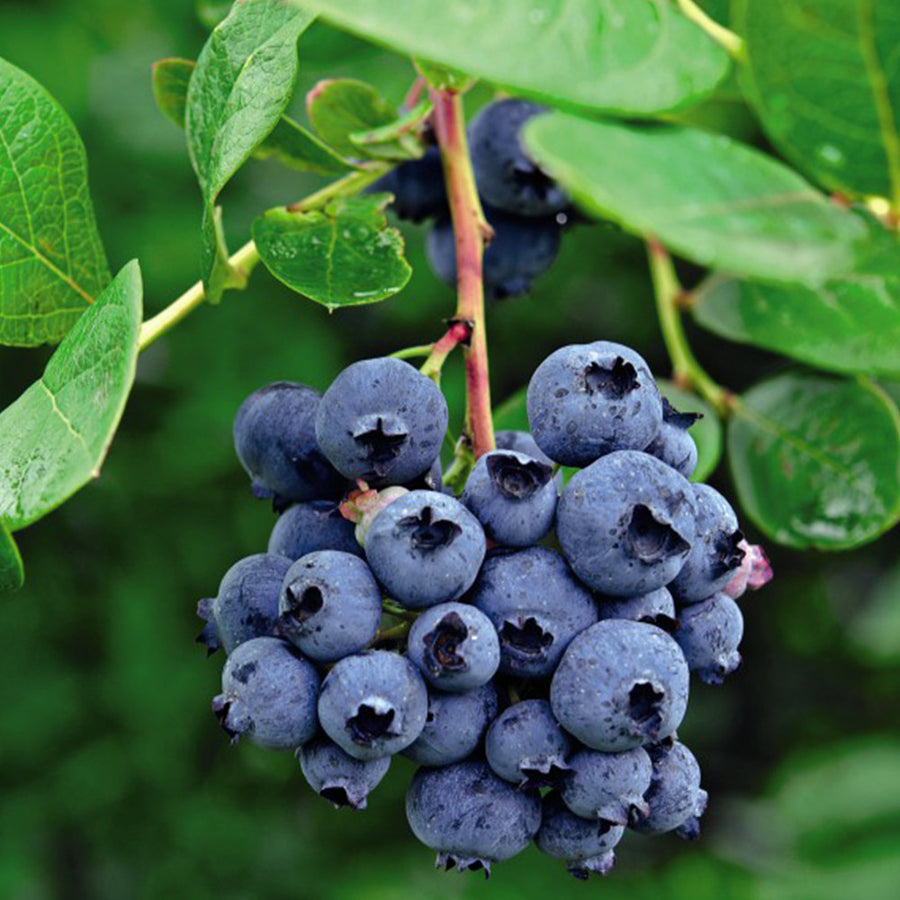
Blueberries are the birth month berry for August, marking the peak of harvest for widely popular varieties. Depending on the type of blueberry bush, harvest times may vary: ‘Bluecrop’, ‘Jersey’, and ‘Chandler’ typically ripen in August, while ‘Aurora’ may not be ready until September.
These edible summer berries thrive when planted alongside pollinator-friendly shrubs, which encourage bees and other insects to help with fruit set. For a successful harvest, make sure your blueberries receive full sun and consistent watering throughout the growing season.
Winter protection is also important to secure next year’s fruit. Consider using a frost cover from Walmart or other protective measures to prevent damage to your bushes during cold months. With proper care, blueberries can provide both a beautiful garden display throughout the year and a delicious treat straight from your yard.
September – Elderberry
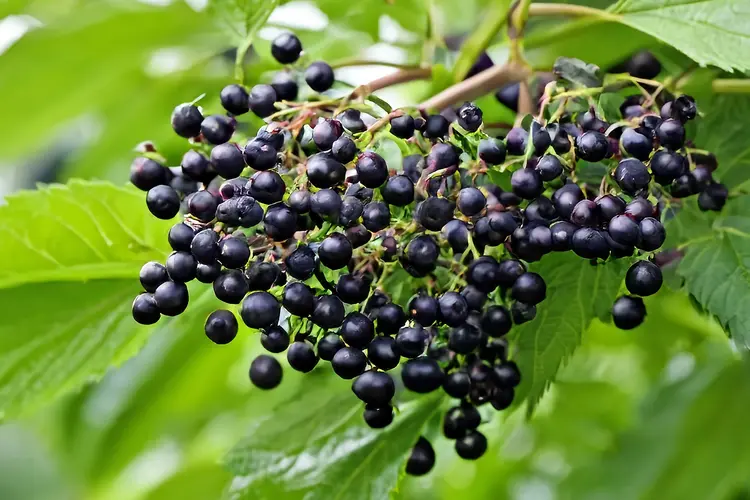
Elderberry (Sambucus) is the birth month berry for September, one of the earliest fall berries to appear in your garden. This striking shrub produces clusters of small black berries, while its foliage begins to transition into golden and bronze hues, adding seasonal color.
Some varieties, like European black elderberry, even offer dramatic dark purple or black leaves for extra garden display throughout the year.
Elderberries are edible berries, and both the berries and flowers can be used in cooking, but remember to only consume them cooked, as raw parts of the plant can be toxic. A resilient shrub, elderberry tolerates poor soil and short dry spells, making it ideal for seasonal berry-producing shrubs that require minimal care.
Plant elderberry as part of a birthday-themed garden, or gift it as a garden lover’s gift idea to enjoy a festive and fruitful shrub every September.
October – Cranberry

Cranberry is the birth month berry for October, offering vibrant red fruits just in time for autumn celebrations. As summer ends, these seasonal berry-producing shrubs ripen, and their edible berries are ready for harvest throughout fall, often extending into November. Their bright red color signals peak sweetness, making them perfect for fresh eating or seasonal recipes.
Cranberry shrubs thrive in consistently moist, acidic soil, so be mindful of their planting conditions to ensure a healthy and fruitful harvest.
These shrubs are ideal for garden design with berries or as a garden lover’s gift idea, giving a beautiful and practical display of ornamental berries every October.
November – Beautyberry
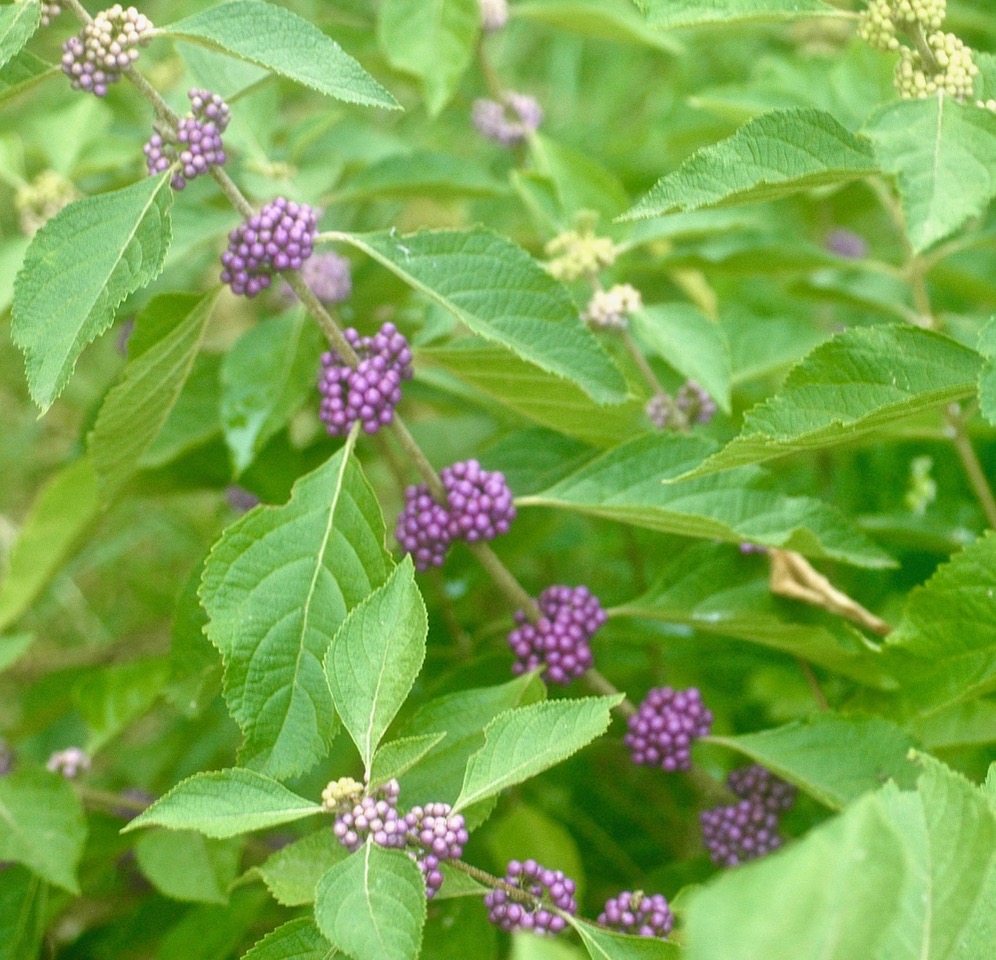
Beautyberry (Callicarpa) is the birth month berry for November, standing out when most other shrubs start to fade. Its vivid purple berries cling to bare branches, creating a striking garden display throughout the year.
While their color might suggest toxicity, these berries are edible when cooked and are often used for making jams. Raw beautyberries are very bitter, so they’re best left for recipes or wildlife.
This seasonal berry-producing shrub is a favorite for holiday garden plants and supports birds during late autumn.
To care for beautyberry, prune it correctly in late winter or early spring, removing older stems to encourage vigorous new growth and abundant berries the following fall. These shrubs make a perfect garden lover’s gift idea for anyone who enjoys both beauty and functionality in the yard.
December – Holly
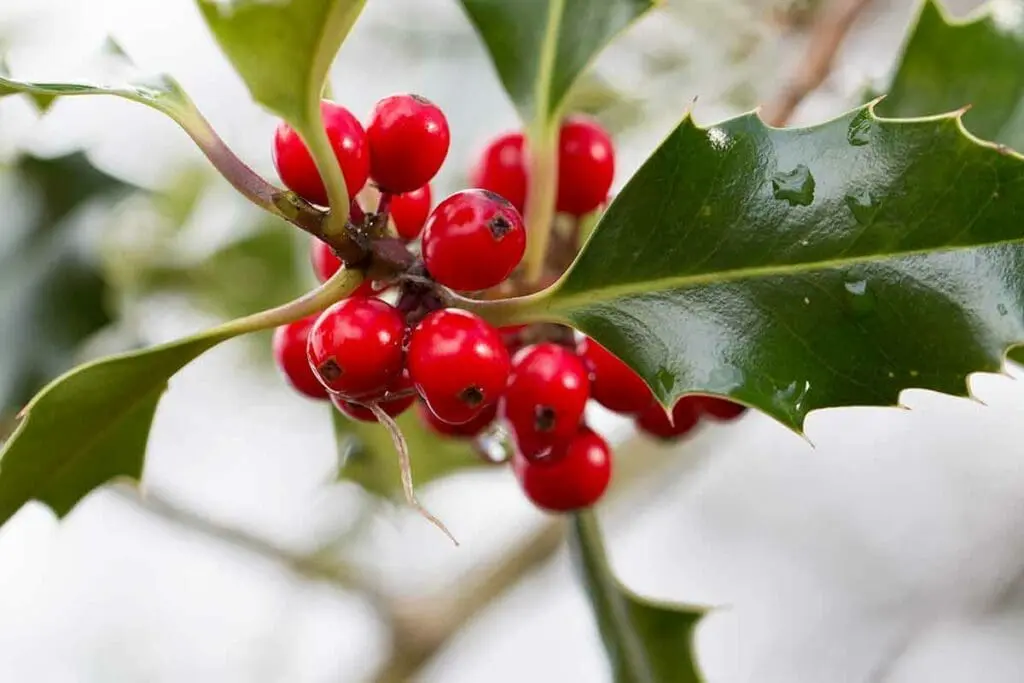
Holly is the birth month berry for December, perfectly paired with the December birth “flower.” Synonymous with Christmas, holly shrubs showcase bright red berries nestled among their iconic spiky foliage, making them ideal for holiday garden plants or festive tablescape centerpieces.
While these berries are not edible for humans due to toxins, they provide a vital food source for birds during the winter months.
If your holly lacks berries, it may need a companion plant for cross-pollination, as these shrubs are dioecious. Another common issue is pruning mistakes—cutting flowers too early prevents berry formation. To ensure a vibrant berry display, prune your holly in late winter, after fruiting has finished but before flowering begins, for a beautiful garden display throughout the year. Holly also makes a thoughtful garden lover’s gift idea, offering seasonal interest and wildlife value.
FAQs
How Can I Incorporate My Birth Month Berry Indoors?
You can bring your birth month berry indoors by taking cuttings from the shrub and using them in seasonal foliage arrangements. If your berry is edible, you can also use it in the kitchen to make jams, jellies, or other treats. Another fun idea is to enjoy the scent of your berry indoors with a berry-scented diffuser, like a raspberry and vanilla reed diffuser from Amazon.
Beyond birth month berries, you can explore other edible hedge plants or berry-producing trees for indoor displays or winter arrangements, adding seasonal charm and color to your home.
Shop Smart Gardening Accessories
Canvas Garden Apron
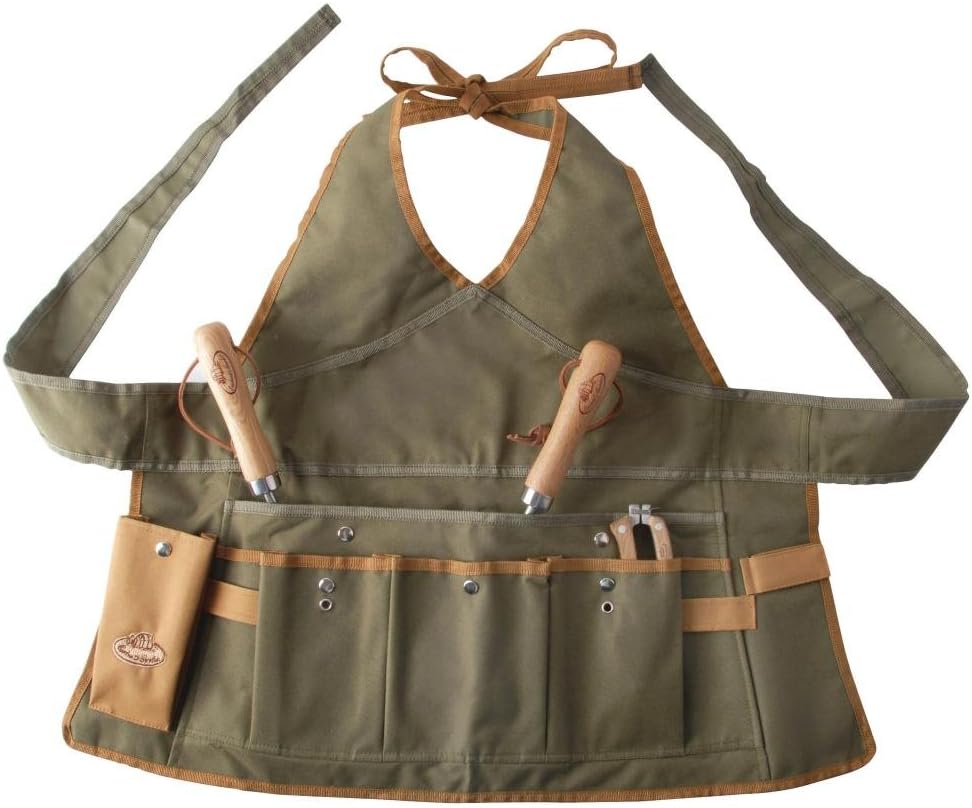
This canvas garden apron is designed with multiple pockets to help you keep all your essential garden tools close at hand. The sturdy canvas material makes it durable for everyday gardening, while the adjustable ties around the neck and waist ensure a comfortable, secure fit. It’s a practical choice for gardeners who want to stay organized while working outdoors.
Lemon Gardening Gloves

These lemon gardening gloves feature a charming citrus print and extended long sleeves to protect both your hands and arms while working in the yard. Made for comfort and durability, they shield you from scratches, dirt, and thorns, making them a stylish yet practical choice for everyday gardening tasks.
Florist Scissors
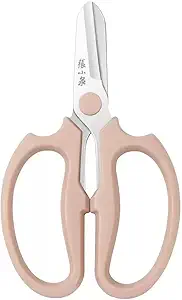
These pretty florist scissors are perfect for taking stem cuttings in the yard for both foliage and floral arrangements. Designed with sharp stainless steel blades, they can easily cut through stems up to 3.38 mm thick, giving you clean, precise cuts every time. Lightweight and comfortable to hold, they’re an essential tool for any gardener or home florist.
