
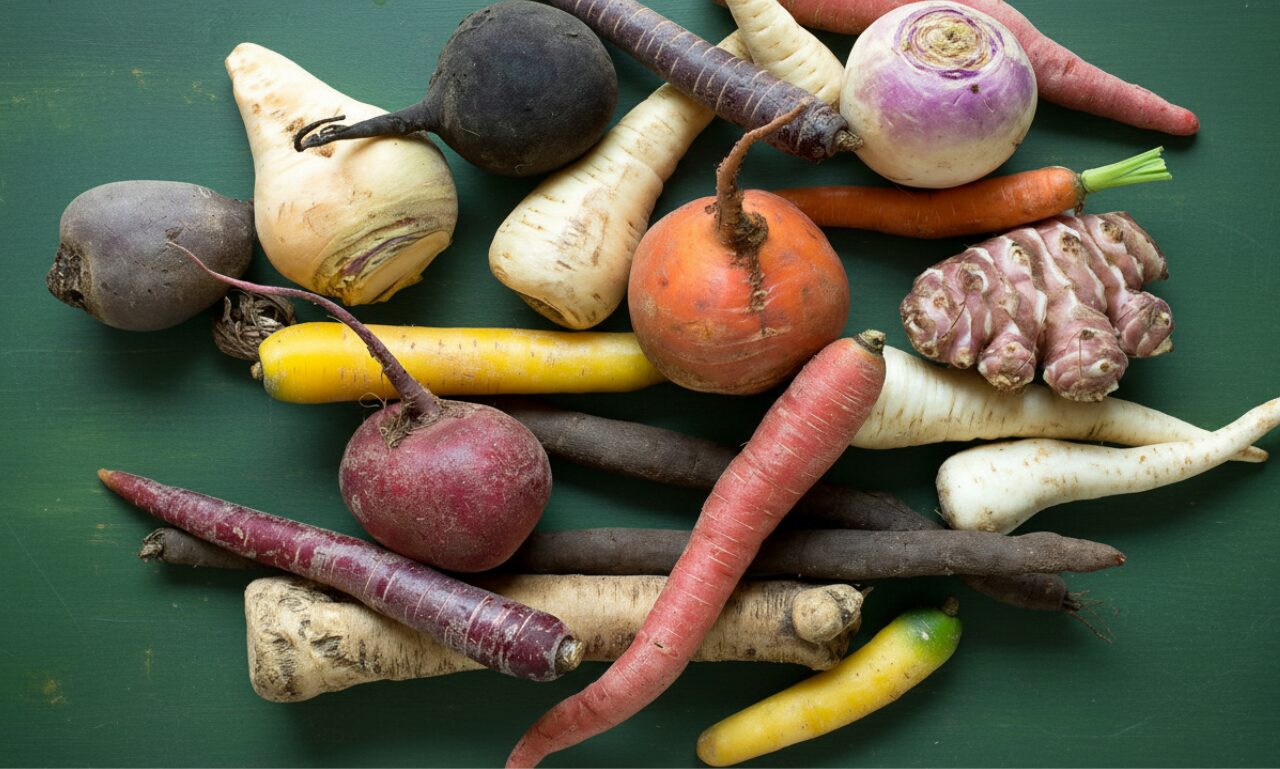
Knowing how to overwinter root vegetables really comes down to understanding your climate and your soil. Homegrown crops don’t have to disappear when winter arrives—far from it. Even in the coldest months, winter root vegetables like carrots, parsnips, rutabaga, turnips, celeriac, and Jerusalem artichokes can continue providing hearty, flavorful harvests.
To keep these seasonal favorites in peak condition, you need the right winter care. In regions with milder winters, many vegetables can simply stay in the ground and be lifted as needed throughout the season. But in colder climates, extended freezes mean gardeners often need to lift and store roots indoors to protect them from damage.
For home growers, the best winter strategy depends on two things: your climate and your soil type.
Based on my experience, there are three reliable methods for overwintering root vegetables—and each one gives perfect results when matched with the right growing conditions.
How to Store Winter Root Vegetables –Into the ground and back out
Whether you keep winter root vegetables in the ground or lift them depends on how extreme your winter is in your US hardiness zone and your soil type. There are many vegetables you can overwinter for year-round harvests, but most will need protection from the elements.
Another important tip is to cut back on watering during winter (many won’t need watering at all) and avoid feeding plants until early spring.
1. Cover crops with straw
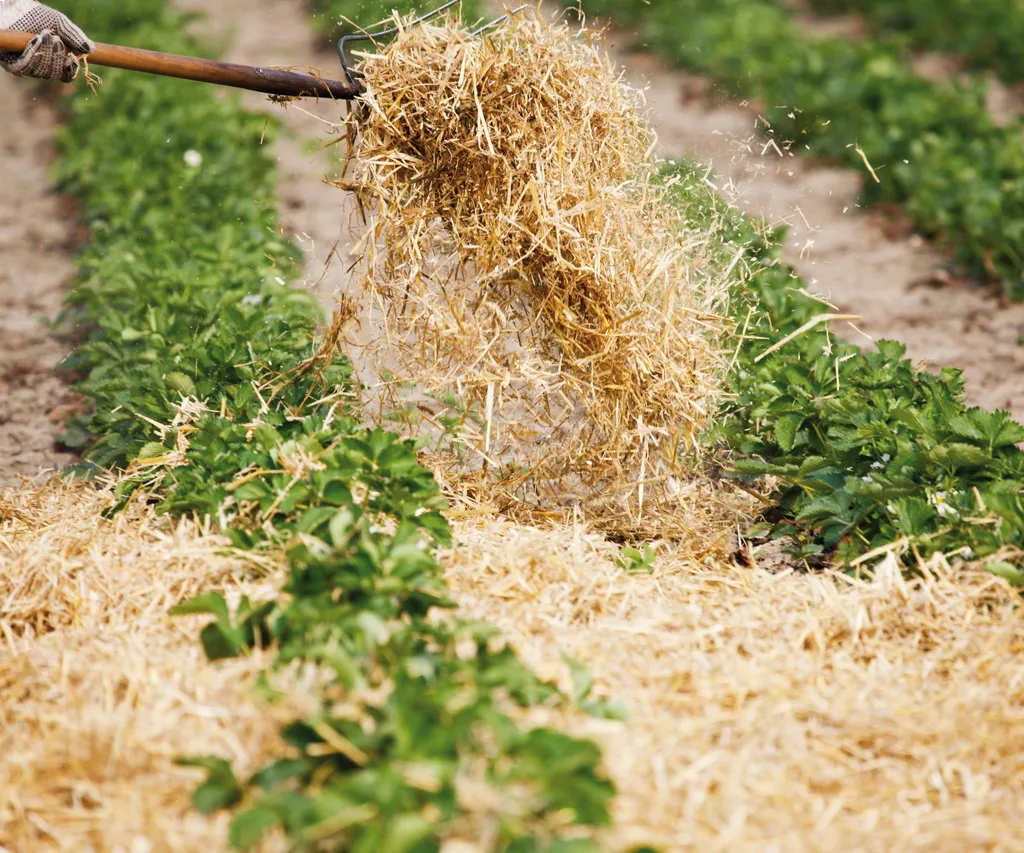
This was my easy trick for saving carrots, parsnips, celeriac, and rutabagas in winter. It was a short and easy way to spread the season and confirm I could harvest these roots throughout the winter. A thick layer—at least six inches—of straw on top of the crops before the ground freezes solid keeps them in good condition and also makes harvesting easier.
The straw insulates the ground and prevents it from freezing. This stops the roots from going mushy due to repeated freezing and thawing. Mulching also makes it much easier to harvest parsnips or carrots, as lifting deep-rooted vegetables from frozen ground can be difficult without damaging them.
This technique works well for winter root vegetables in climates with milder temperatures and frosts. You can get a straw bale at Walmart to spread around your winter root vegetables, whether they’re growing in the ground or in a raised garden bed. If you can’t get straw, shredded leaves are a free fall mulching alternative.
If you live in exposed areas with strong winter winds, covering the straw mulch with frost cloth or an old bed sheet will stop the mulch from blowing away and uncovering the root crops underneath.
2. Use low hoop tunnels
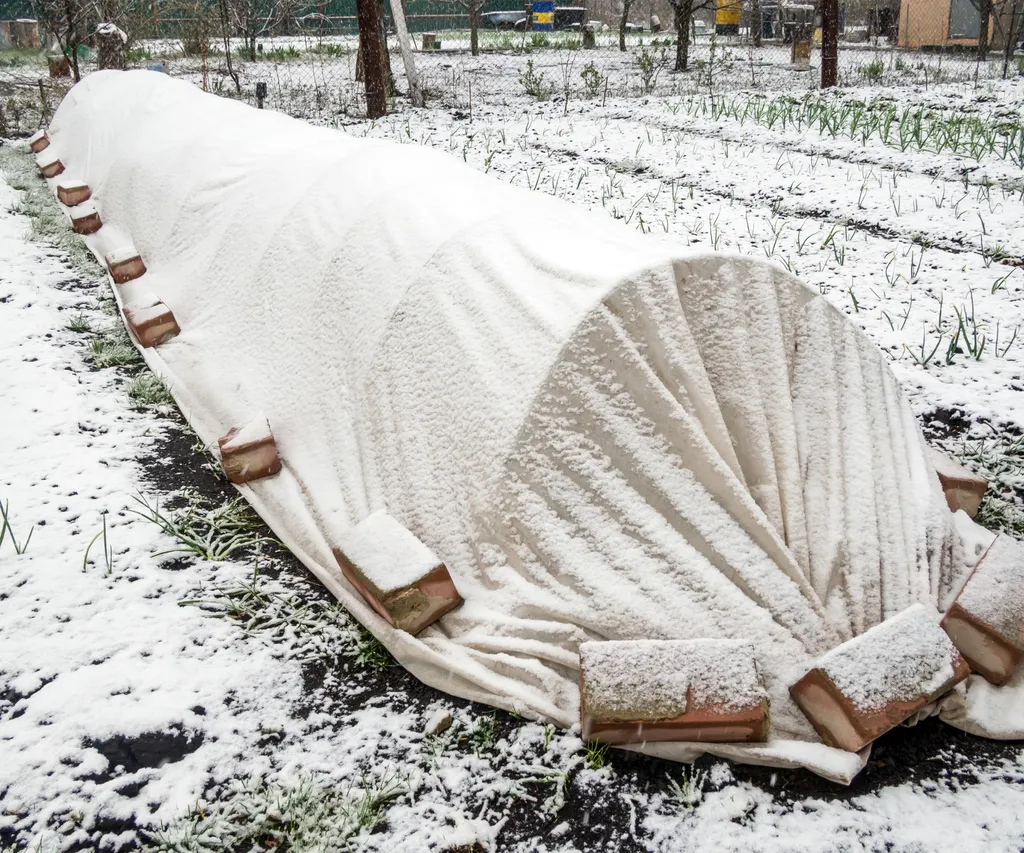
Covering crops with low hoop tunnels can be done alongside mulching in colder zones or used alone in milder winters. This method creates a warmer microclimate and protects plants from frost. It can extend the season for carrots, beets, or turnips, or provide a protected enclosure over winter for carrots, parsnips, celeriac, or rutabaga.
This DIY mini greenhouse is easy to set up: simply push hoops into the ground and cover them with frost cloth (horticultural fleece) or sheets of clear plastic. I have often cut PVC irrigation pipes to size to make hoops, but an easier option for home gardeners is to buy a hoop tunnel kit, such as this hoop kit on Amazon.
Make sure the edges of the plastic or fleece are secured to the ground with garden staples, heavy bricks, or stones. This traps heat and prevents the cover from blowing away.
Whether you add straw, leaves, or compost underneath the tunnel is a personal choice and will depend on how cold your winters get and what materials you have available. Personally, I prefer a layer of straw for an extra level of protection and peace of mind.
3. Lift and store roots indoors
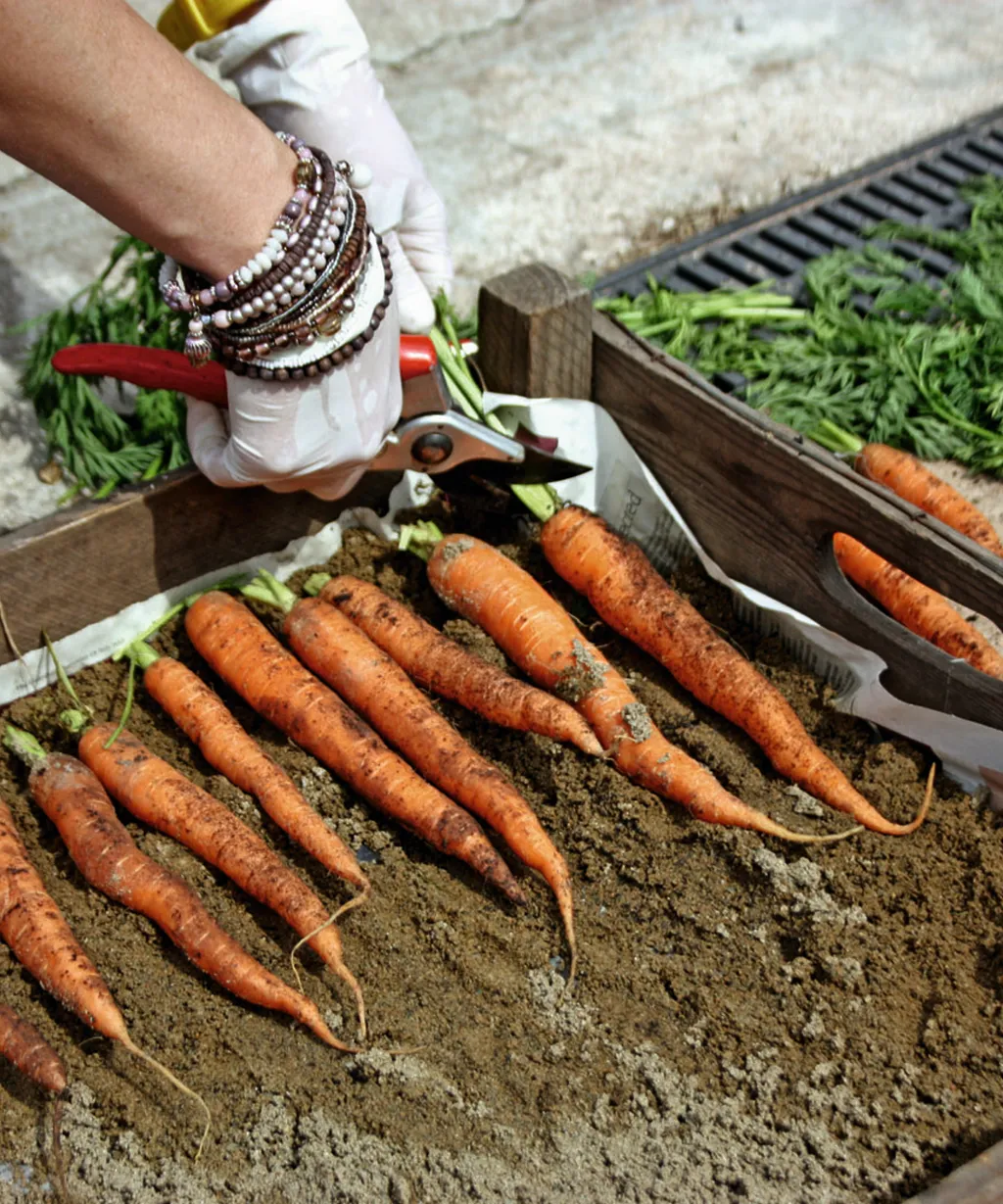
Lifting and storing winter root vegetables is the best option for climates with extreme frosts and snow. It’s not only the cold that can damage your crops—heavy, wet soil can also cause roots to rot over winter. If your soil is very wet, lifting it is the safer choice.
Start lifting your crops ahead of the frosts in colder regions. Inspect all roots carefully, and store only unblemished ones. Cut off the foliage and brush off any loose soil, but don’t wash the vegetables, as this shortens their storage life.
A root cellar is ideal, though not common in most homes. Good alternatives include a shed, garage, or cellar—anywhere frost-free and dark. Store the vegetables in boxes filled with lightly moist sand, sawdust, or compost, making sure the roots don’t touch each other.
Check the boxes throughout winter and remove any vegetables that become soft or show signs of rotting so they don’t affect the rest.
FAQs
Will beets overwinter in the ground?
Yes, beets can overwinter outdoors, but they will need protection from freezing temperatures. In milder climates, covering them with frost cloth or a mulch layer of straw or leaves helps shield the roots from frost damage. Beets tolerate short drops to 28°F, but prolonged cold or repeated freezing and thawing can harm them.
Is it okay to leave parsnips in the soil during winter?
Yes. Parsnips are hardy winter root vegetables and overwinter well in the soil. In fact, they taste sweeter after a few frosts because the starches in the roots convert to sugars. A thick layer of straw or compost makes harvesting easier and protects the roots from freezing and thawing cycles.
Can I keep carrots in the soil through the winter?
Yes, carrots can remain in the soil over winter in milder climates or in well-draining soil. The best way to store them in place is to mulch heavily with straw or chopped leaves, or cover the rows with low tunnels to keep the soil insulated.
Growing vegetables can truly be a year-round joy. You can harvest plenty in December for festive meals, and you can also plant new crops this month to get a head start on next season.
Shop Essential Gardening Tools
Frost Blanket
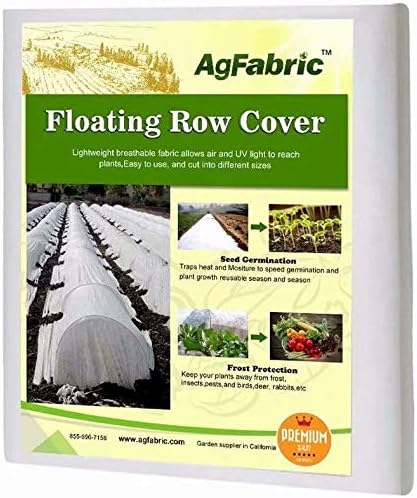
This frost cloth can be used to cover rows of winter root vegetables, and it provides up to 28°F frost protection to help plants survive cold nights.
Garden Fork
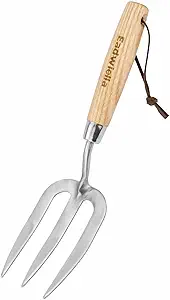
A digging fork is an ideal tool for harvesting winter root vegetables, and it also helps with spreading straw or leaf mulch around crops for frost protection.
Garden Hoops
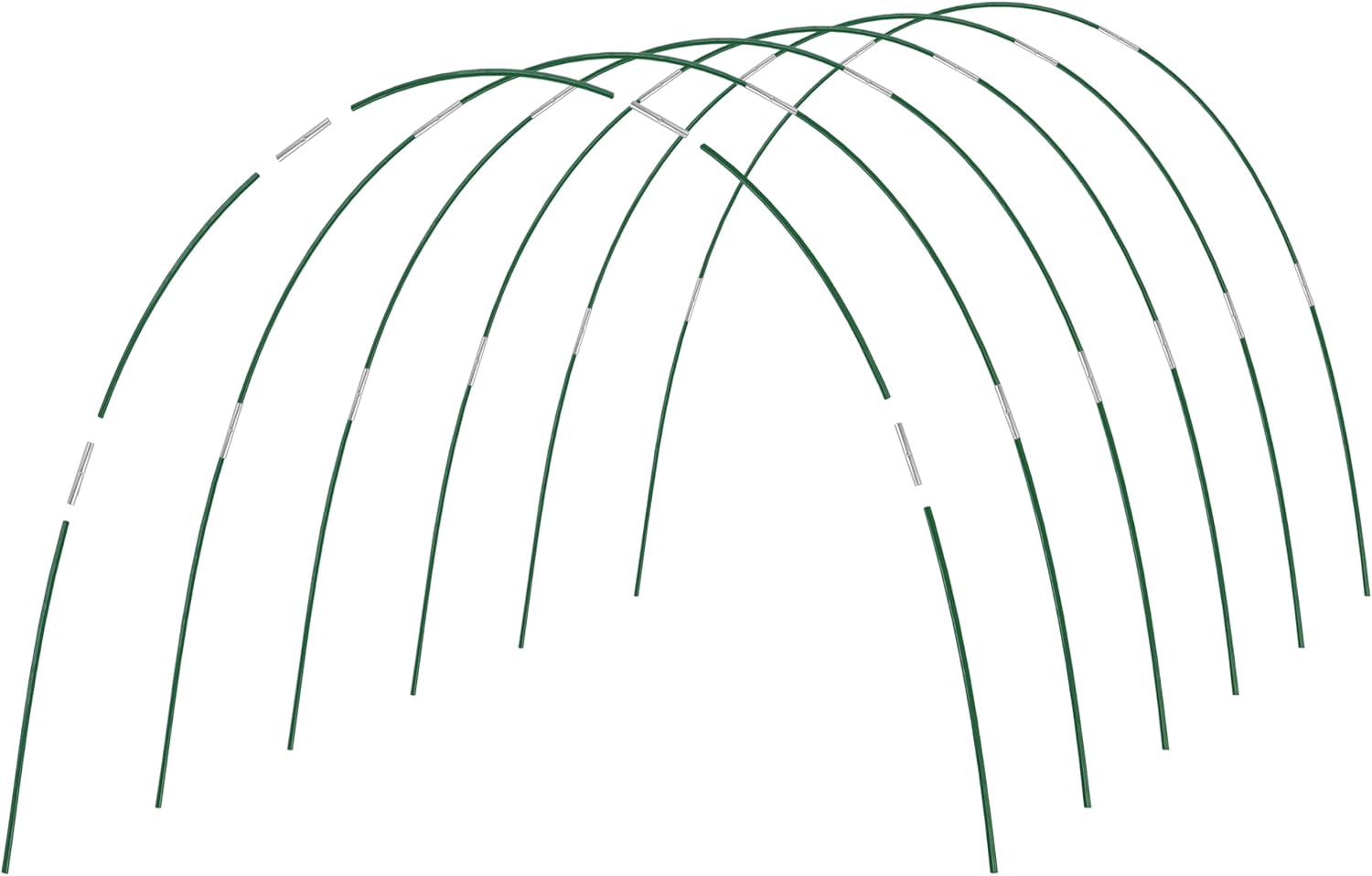
Garden hoops are versatile tools used to create low tunnels or mini greenhouses over your crops. They help protect plants from frost, wind, and harsh weather, extending the growing season and keeping vegetables like carrots, parsnips, and turnips safe during winter.
OFFIDIX Glass Plant Mister
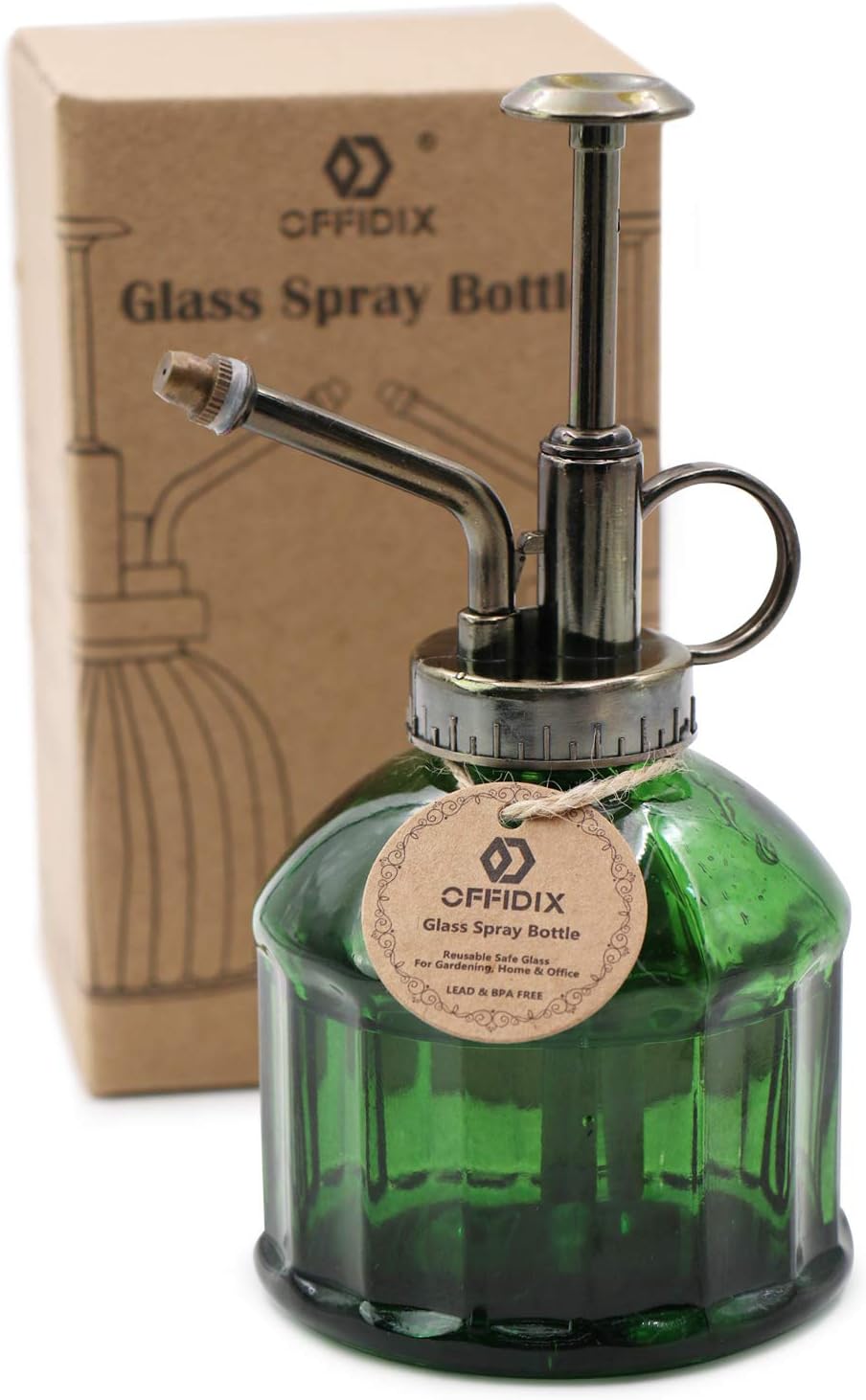
This elegant glass plant mister is perfect for giving winter root vegetables and other indoor plants a gentle mist, helping maintain humidity without overwatering.
