
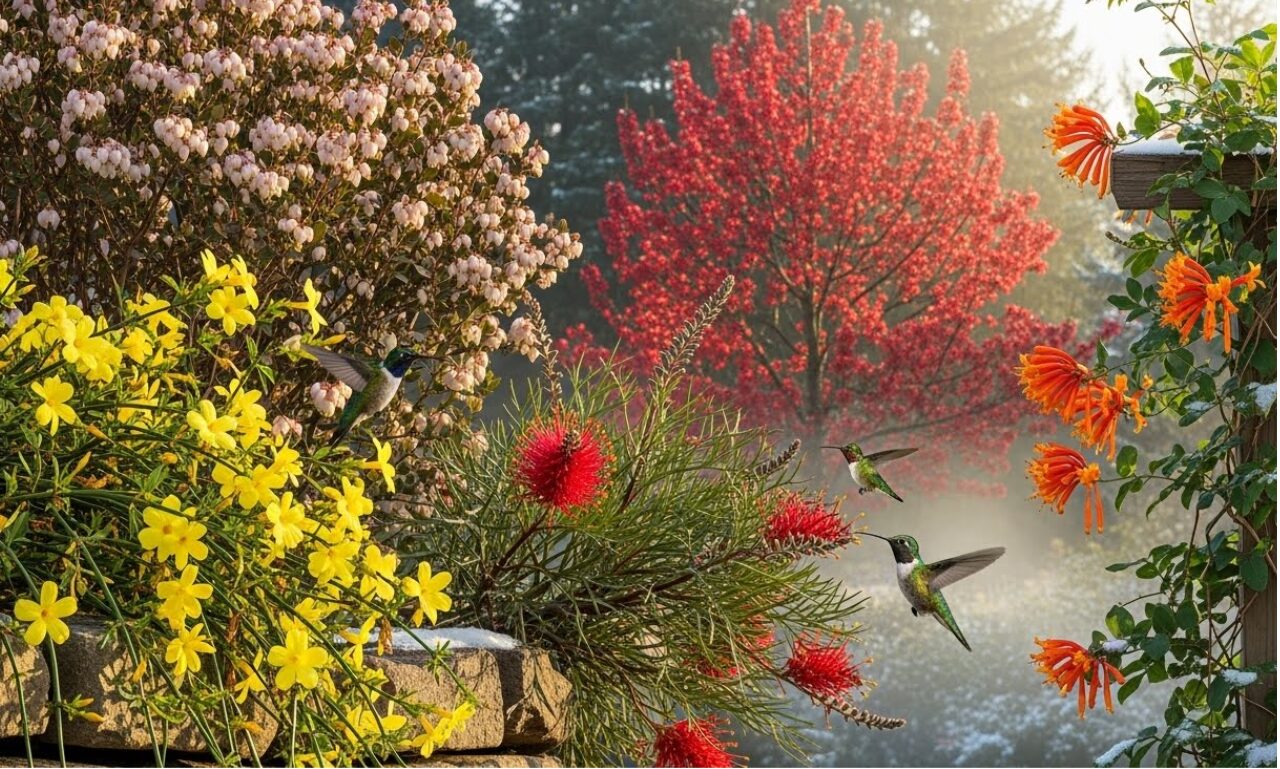
Even in winter, when gardens go quiet and flowers fade, it is possible to keep hummingbirds visiting your yard. With the right selection of winter-blooming plants for hummingbirds, you can offer nectar, color, and shelter during the coldest part of the year.
For those living in USDA zones 8–10, many shrubs and perennials naturally bloom in winter and early spring, providing reliable nectar when food is scarce. If you want your garden to stay alive with movement and color, these winter hummingbird plants are some of the best to grow.
Below, discover the 5 most beautiful winter plants that attract hummingbirds, along with expert growing tips based on your climate.
1. Winter Jasmine
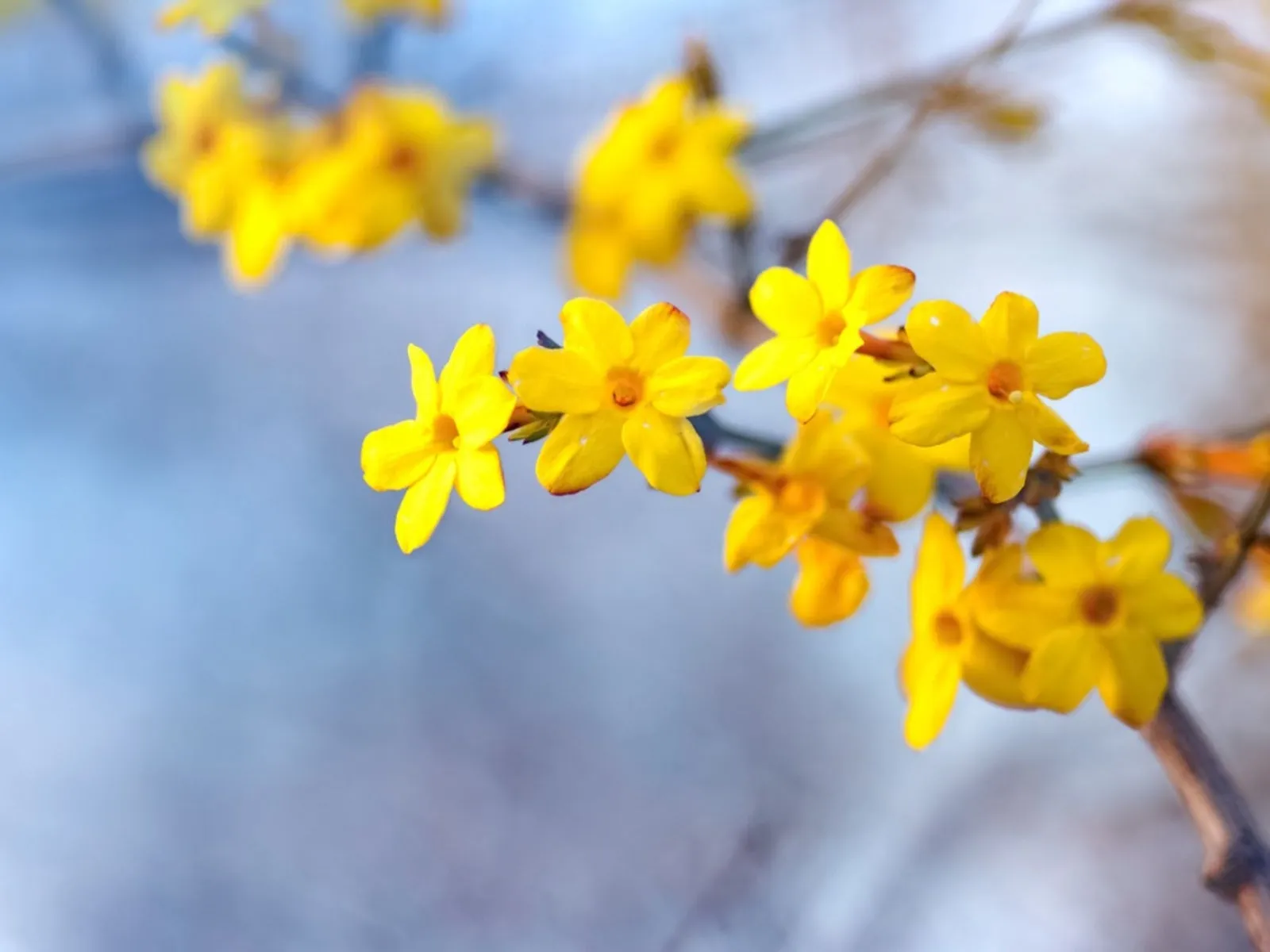
Winter jasmine is one of the most reliable winter plants that attract hummingbirds, especially in mild climates. This early-flowering shrub brightens cold months with cheerful yellow blooms when very few nectar plants are available.
In regions within USDA zones 8–9, winter jasmine (Jasminum nudiflorum) begins blooming in late winter, offering a valuable nectar source for hummingbirds when food is scarce. Its bright flowers appear on bare stems, making it easy for hummingbirds to spot the blossoms even during the dullest days of the season.
Because it blooms during the transition from deep winter to early spring, winter jasmine acts as an important nectar bridge for hummingbirds. It works beautifully in layered winter hummingbird gardens, especially when combined with other cold-season bloomers and reliable feeders.
To support hummingbirds even more during winter, pair winter jasmine with a hummingbird feeder, ensuring continuous food when temperatures drop.
Helpful Winter Feeder Options
Hummingbird Feeder With Solar Light (Glass, Red)
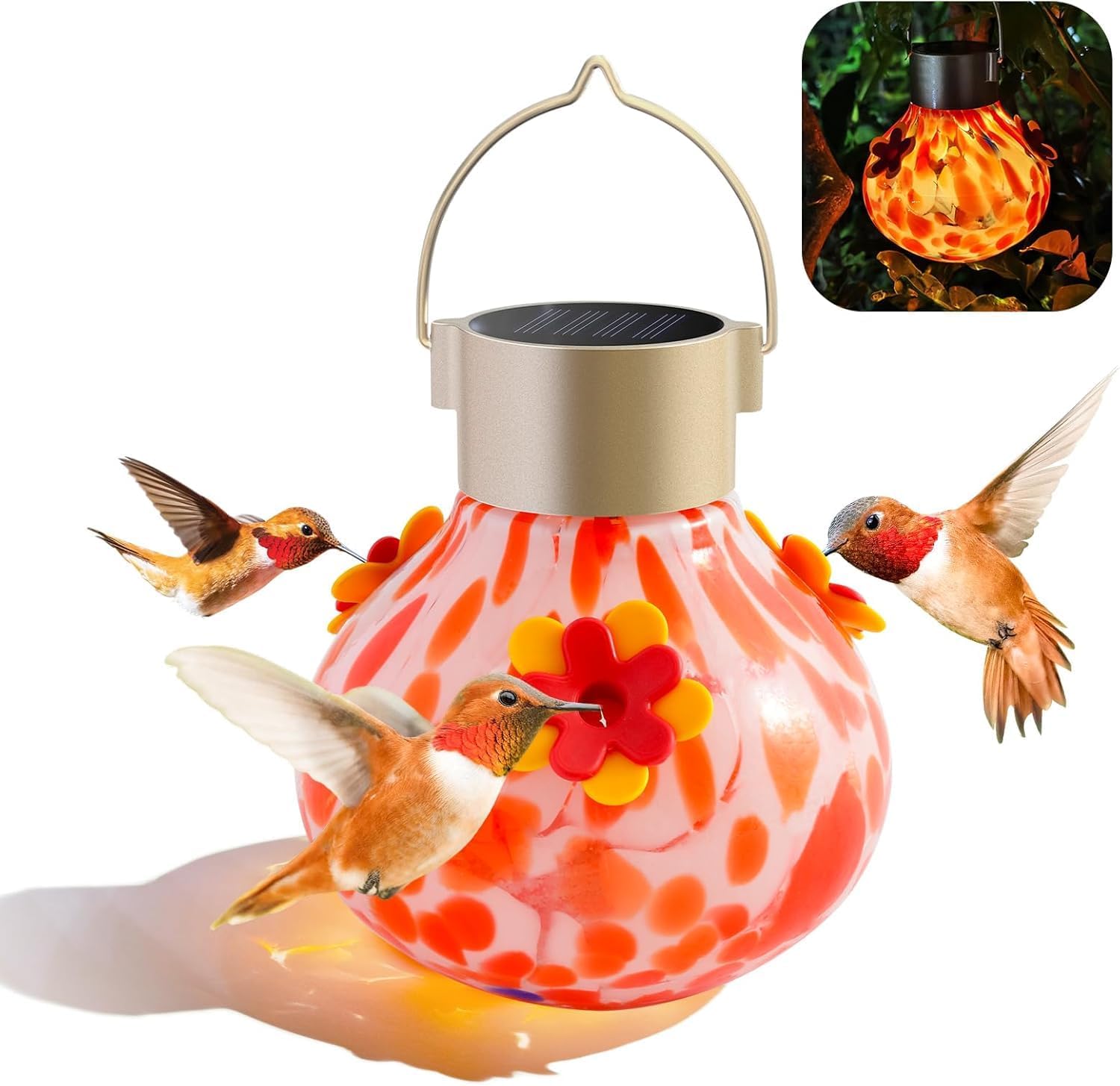
A beautiful glass feeder with 3 feeding ports and a solar top that glows at night — perfect for attracting hummingbirds during low-light winter days.
Sapphire Labs Naturally Fresh Hummingbird Nectar Powder (96 oz)
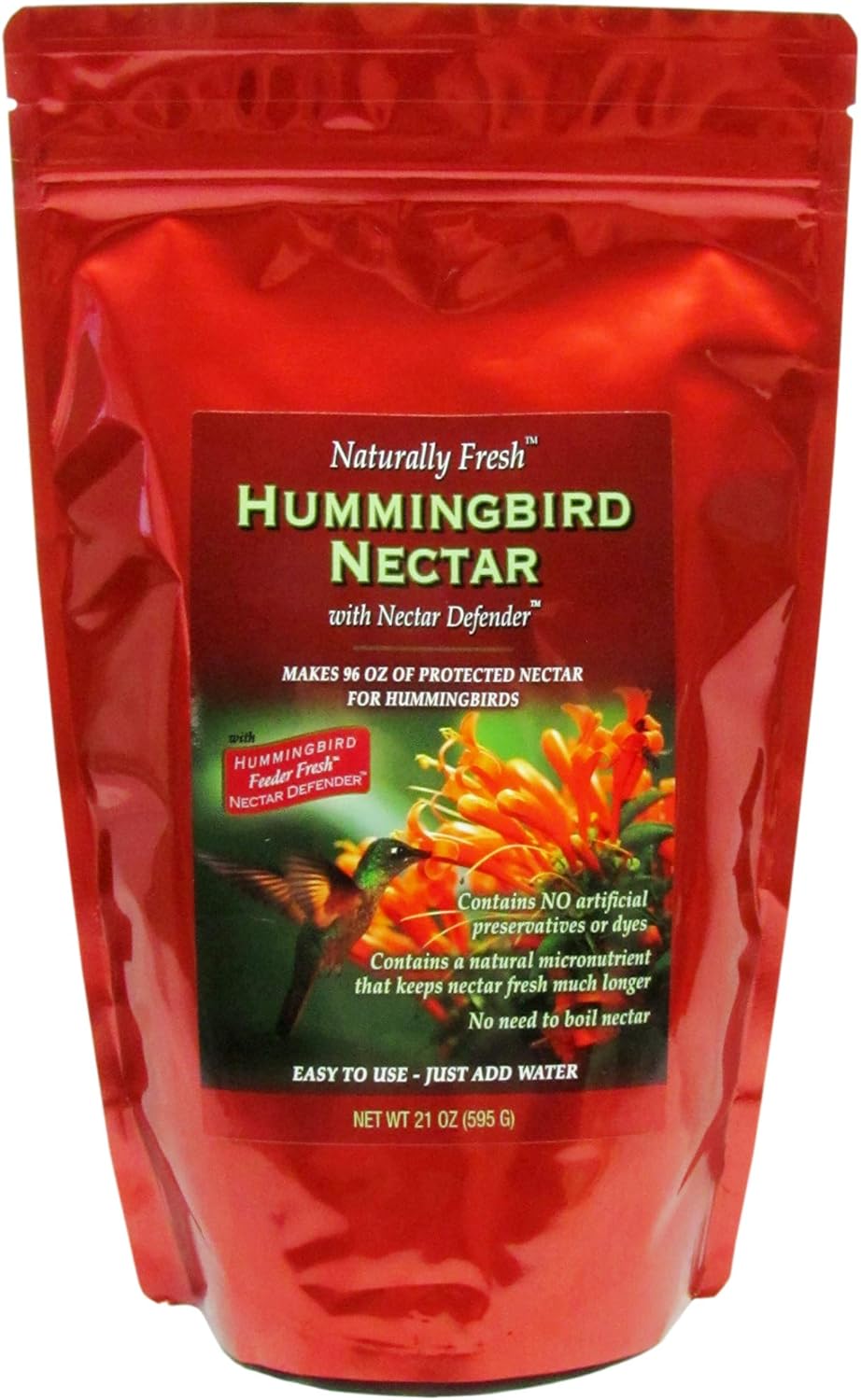
A clean, dye-free nectar mix that is easy to prepare and ideal for keeping feeders full all winter long.
BirdBuddy Smart Solar Pro Hummingbird Feeder
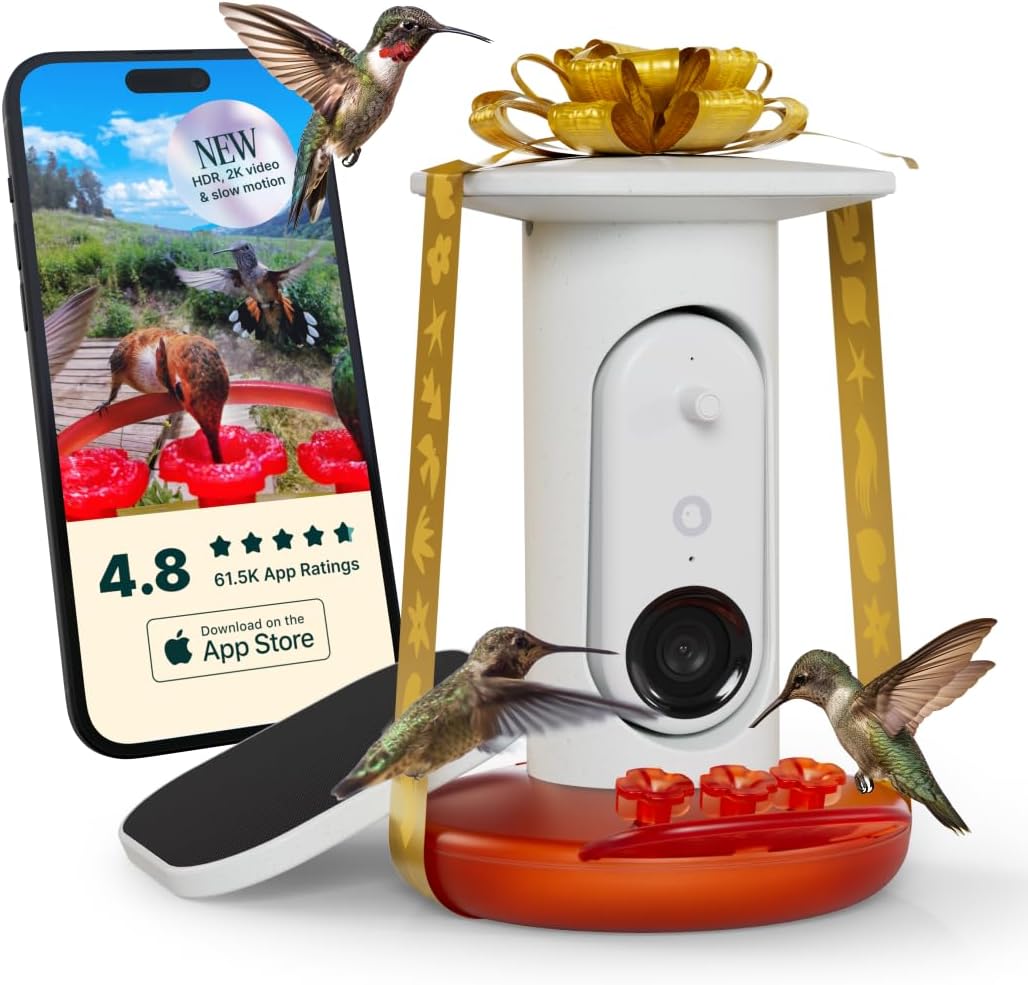
A smart feeder with a built-in camera, 2K video, motion detection, and AI bird identification — great for monitoring winter hummingbird activity.
2. Manzanita
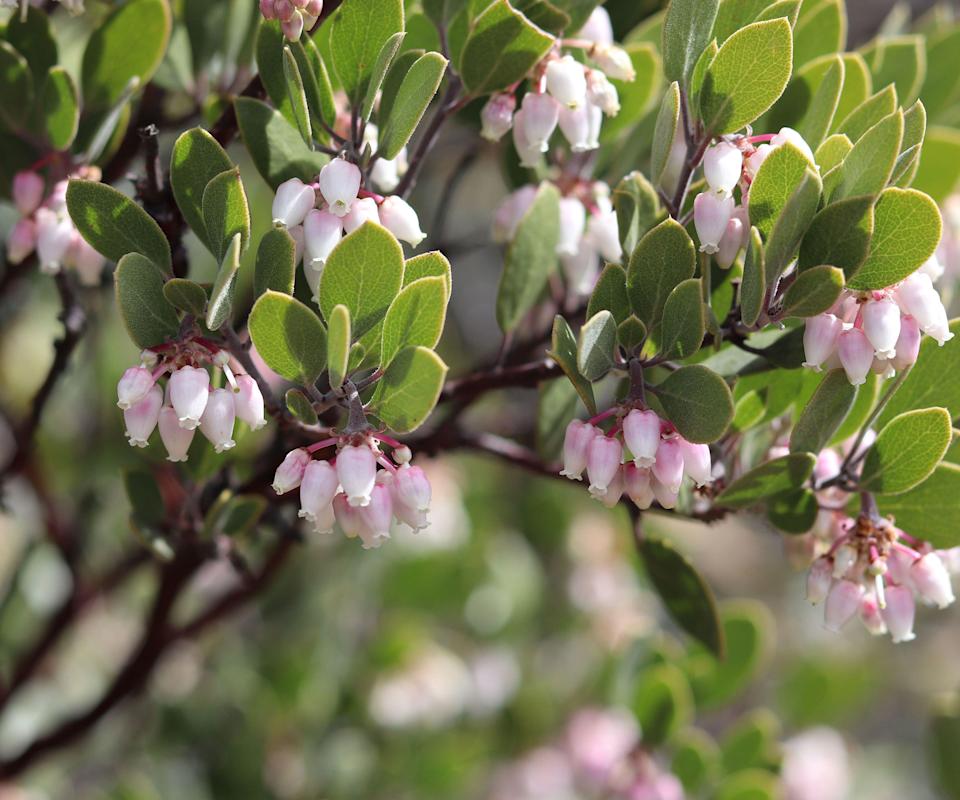
Manzanita is one of the most reliable plants that attract hummingbirds in winter, especially in regions with mild winters. The name means “little apple,” referring to the tiny red fruits that appear after flowering. But it’s the blossoms that make manzanita one of the best winter hummingbird plants you can grow.
During late winter and early spring—when nectar is scarce—manzanita becomes a lifeline for hummingbirds. Its delicate urn-shaped flowers, usually soft pink or white, open when very few other cold-weather nectar plants are blooming. This makes it an essential winter nectar source for hummingbirds in Mediterranean-style climates and dry, sunny regions.
Manzanita thrives in USDA zones 8–10 and prefers fast-draining soil, minimal watering, and full sun. With its evergreen structure, sculptural branches, and early blooms, it acts as a natural beacon for hummingbirds searching for nectar during colder months. If you want shrubs that offer early blooming flowers for hummingbirds, this is one of the best choices.
3. Grevillea
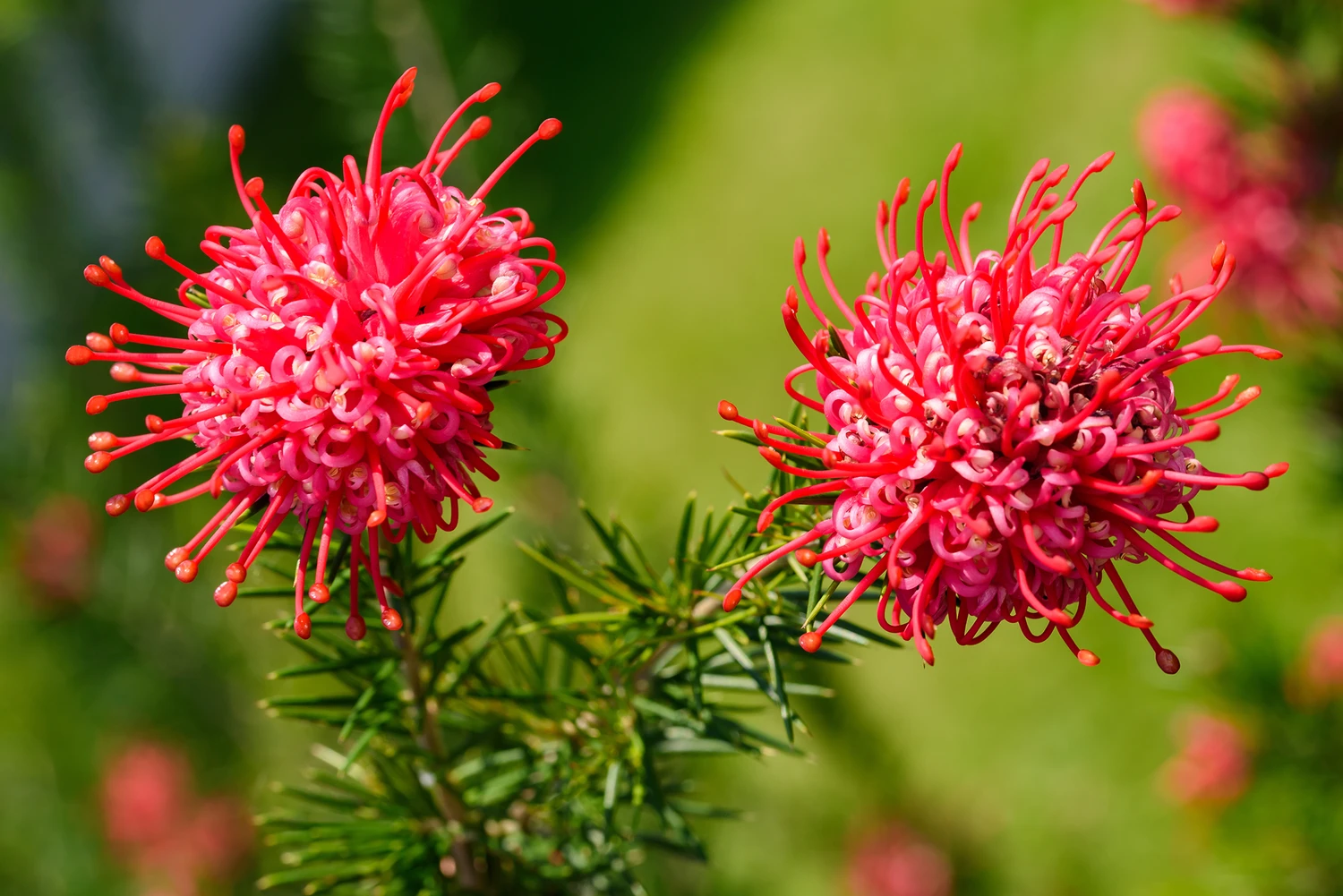
Grevillea is one of the most vibrant plants that attract hummingbirds in winter, especially in Mediterranean or subtropical climates. Wide winter-blooming varieties produce long, brush-like flowers packed with nectar, making them irresistible to hungry hummingbirds searching for cold-season nectar plants when resources are low.
Its spiky, architectural foliage adds year-round texture to the garden, while the bright red or orange blooms provide dependable winter nectar flowers that hummingbirds can rely on. Grevillea performs best in mild-winter coastal regions—such as the West Coast—where it enjoys full sun, good airflow, and very well-drained soil.
Like manzanita, it thrives in drought conditions and poor soil, making it a hardy option for anyone wanting winter-blooming plants for hummingbirds that require minimal care. Gardeners can even grow it from seed, with many packs of grevillea seeds available online for beginners.
4. Cape Honeysuckle
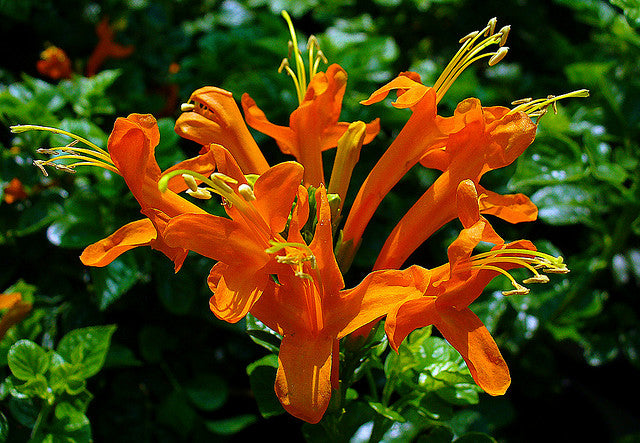
Cape honeysuckle is one of the most eye-catching plants that attract hummingbirds in winter, thanks to its bright orange, trumpet-shaped blooms. This evergreen shrub flowers from fall through winter and into early spring in warm regions, providing a steady supply of winter nectar plants when few other options exist. The tubular blooms are perfect for hummingbirds, giving them an abundant, long-lasting cold-season nectar source.
Hardy in USDA zones 9–11, cape honeysuckle thrives in full sun, well-drained soil, and warm climates. Once established, it becomes drought-tolerant and low maintenance, making it an easy pick for gardeners looking for evergreen hummingbird plants that stay colorful year-round. Because it grows vigorously, regular pruning helps maintain shape—whether used as a hedge, shrub, or accent plant.
5. Red Buckeye
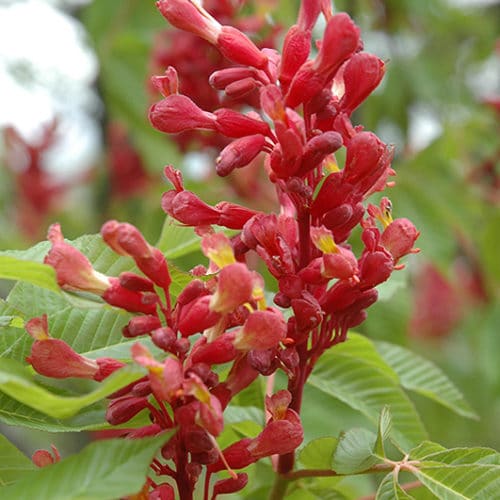
Red Buckeye (Aesculus pavia) is a stunning addition to any winter hummingbird garden. Native to the southeastern U.S., this deciduous shrub thrives in mild climates where winters are gentle. Blooming in late winter, it produces bright red, tubular flowers that serve as early-season nectar plants for returning or resident hummingbirds, making it one of the top plants that attract hummingbirds in winter. Its blooms appear before most other flowers, giving your feathered friends a reliable source of food when nectar is scarce.
Red Buckeye grows naturally in USDA zones 7–9 and does well in woodland or semi-shaded gardens. Its adaptability to partial shade makes it perfect for layered planting schemes alongside other cold-month hummingbird plants, helping to create a vibrant, bird-friendly environment. Pairing red buckeye with additional nectar-rich plants and feeders ensures that hummingbirds have consistent food during the colder months.
To enhance your garden further, consider these hummingbird feeder options:
Glass Hummingbird Feeder
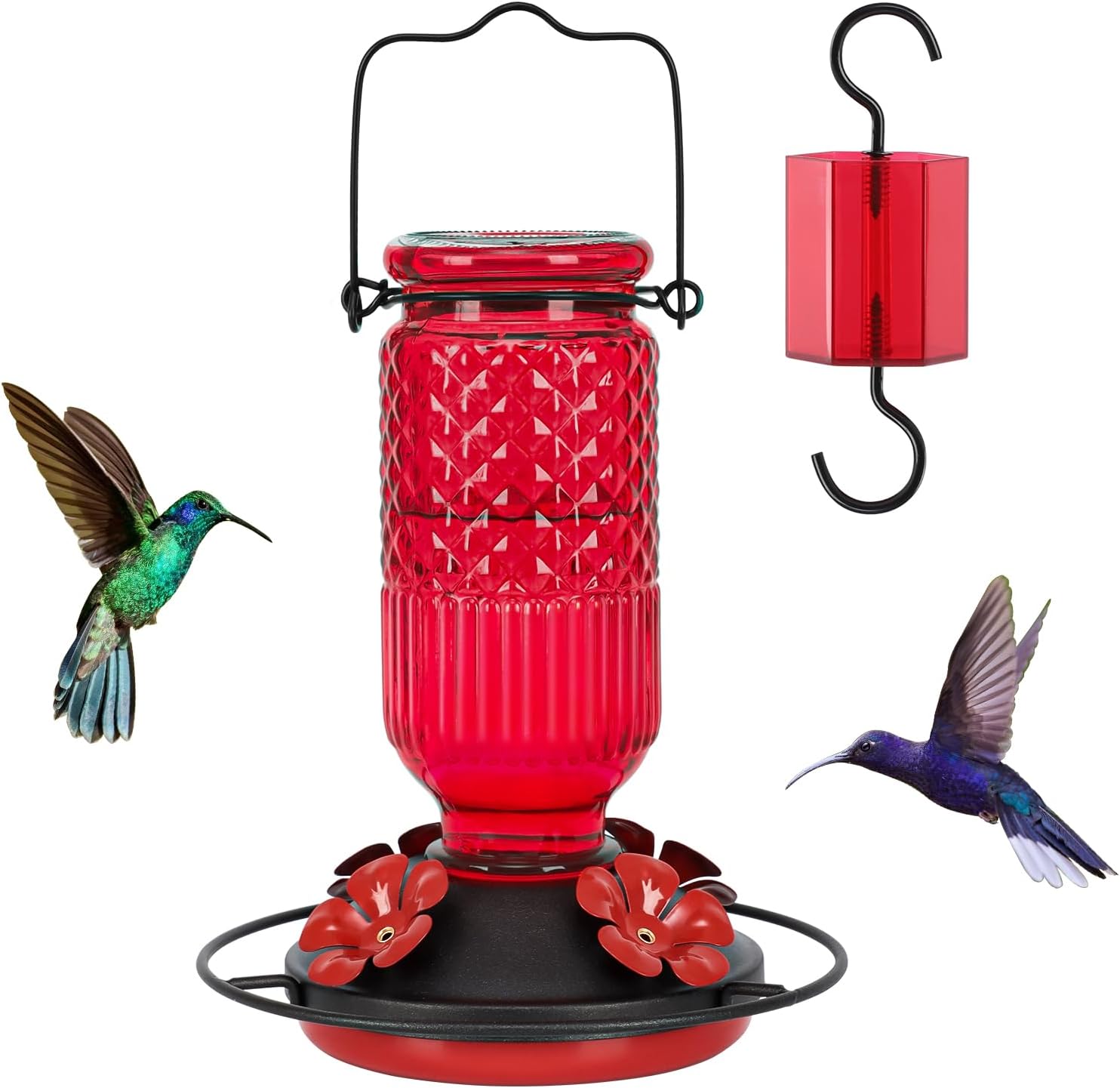
This vibrant red glass hummingbird feeder is a charming addition to any yard. The red color naturally attracts hummingbirds, and with four feeding ports, several birds can feed at the same time. It also features a perching ring, allowing hummingbirds to rest while enjoying nectar.
Kingsyard Green Glass Hummingbird Feeder
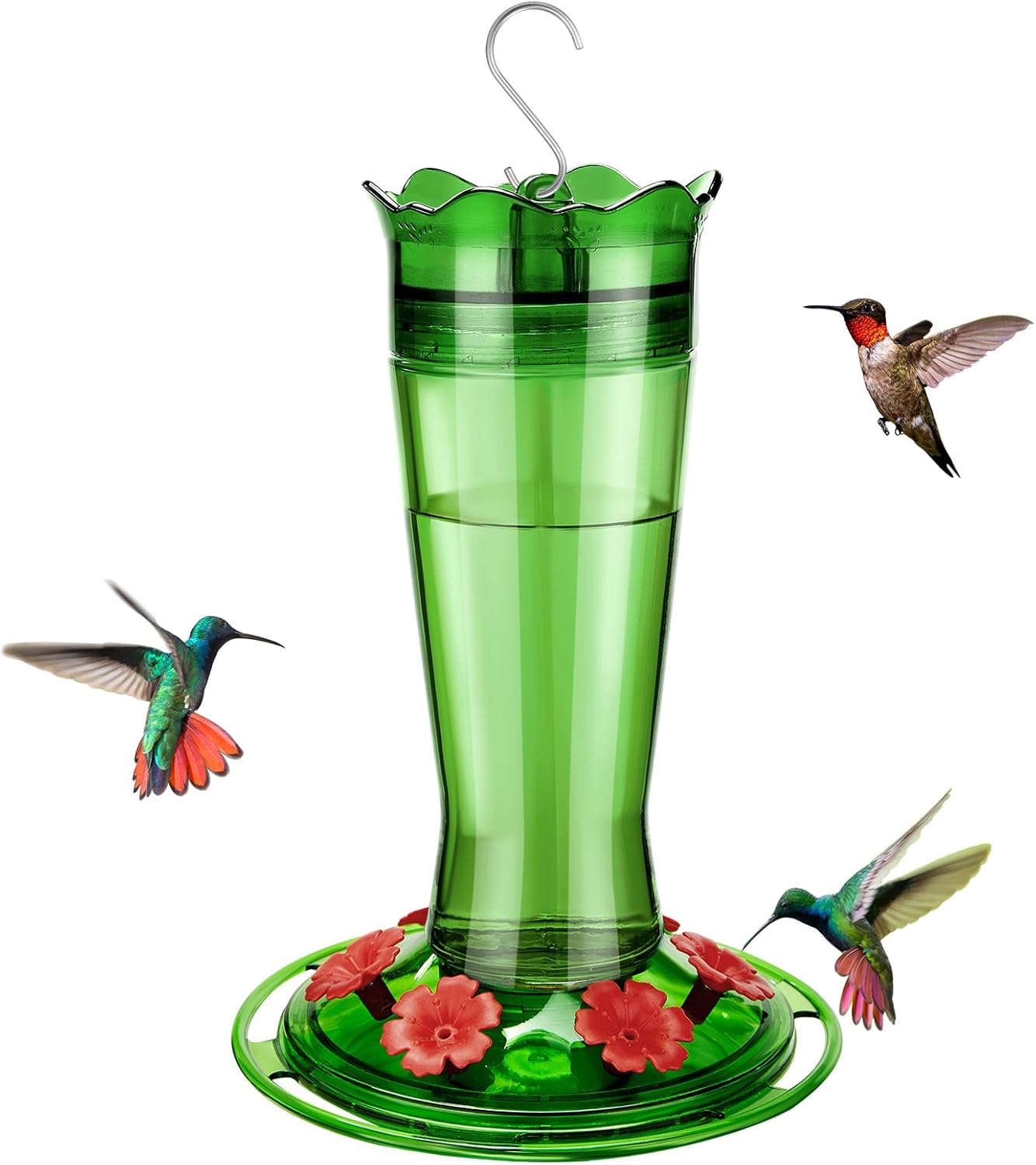
This attractive green glass feeder is designed for hanging on a bird feeding pole, tree branch, or fence post. It features six feeding ports and a built-in ant moat, allowing multiple hummingbirds to feed at once while keeping nectar safe from pests.
Winter Hummingbird Feeder Care Tips
- Change nectar often: Every 3–5 days in mild winter; more often if temperatures rise.
- Use the correct ratio: 1 part sugar to 4 parts water (no red dye needed).
- Keep feeders clean: Wash with hot water at least once a week to prevent mold and bacteria.
- Prevent freezing: In colder regions, place feeders in sunny spots or use heated feeders if needed.
- Check for ants and pests: Use ant moats or place feeders on poles away from trees.
Quick Winter Hummingbird Checklist
- Plant at least 2–3 winter-blooming nectar sources.
- Keep feeders full and clean regularly.
- Include evergreen or sheltered spots for resting.
- Offer fresh water in shallow dishes if possible.
- Avoid pesticides and insecticides near nectar plants.
- Pair plants for staggered blooms to ensure a continuous food supply.
Bottom Line
With the right winter-blooming plants, feeders, and a little planning, you can keep your garden alive with color and hummingbird activity even in the coldest months.
By providing reliable nectar sources, shelter, and proper care, your yard becomes a winter oasis for these tiny, vibrant visitors.
