

Is your bee balm not blooming well, getting mildew, or looking crowded? I’ve seen this happen many times, and the problem is often the plants growing beside it.
Bee balm is a beautiful pollinator favorite, but it does not grow happily next to every plant. Some neighbors steal nutrients, create too much shade, trap moisture, or spread aggressively.
After reviewing trusted gardening sources and expert growing guides, I found clear patterns that every gardener should know. In this guide, I’ll explain what not to plant with bee balm so you can grow stronger, healthier, and more colorful plants.
Why Bee Balm Needs the Right Neighbors
Bee balm (Monarda) grows best in full sun, moist but well-drained soil, and open airflow. It also spreads through underground rhizomes, so space matters. If nearby plants have opposite needs or grow too aggressively, your bee balm may struggle. Smart plant pairing helps prevent weak growth, poor flowering, and powdery mildew.
1. Mint and Other Fast Spreaders
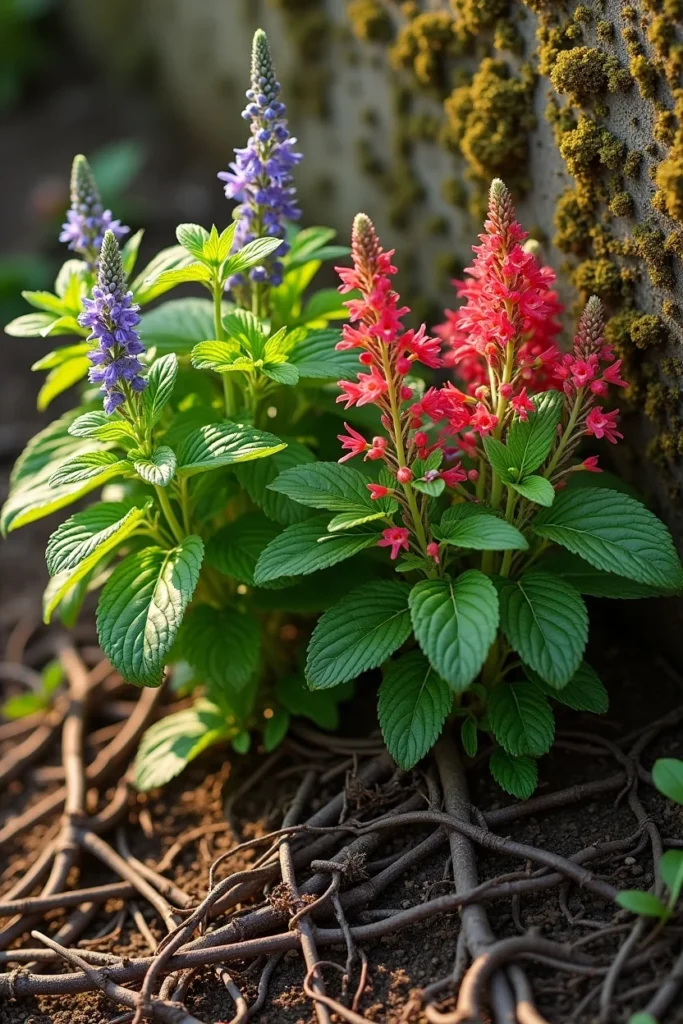
Mint is one of the worst neighbors for bee balm. Both plants spread quickly underground, so they compete hard for space and water.
Instead of helping each other, they can create a crowded mess.
Avoid: Peppermint, spearmint, oregano in tight beds.
2. Tomatoes
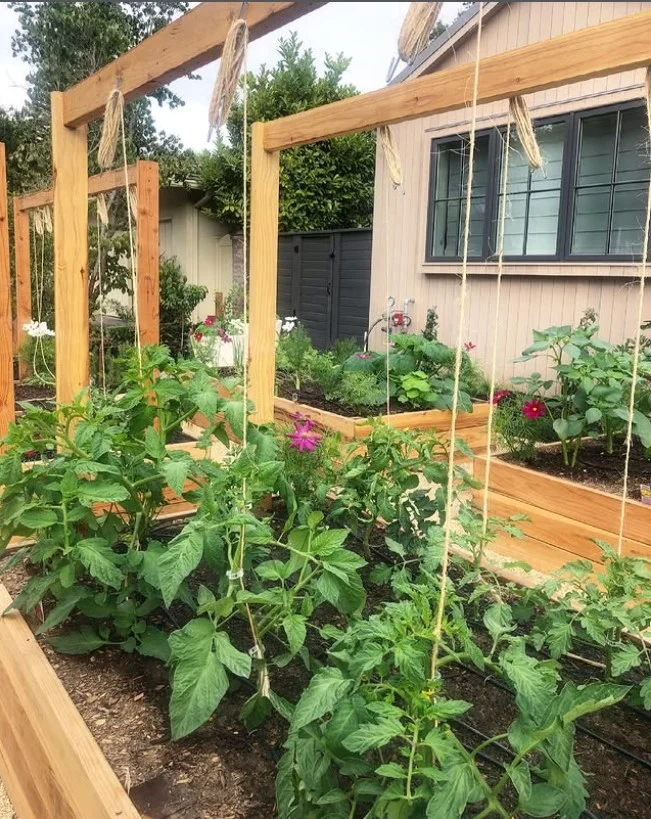
Tomatoes are heavy feeders. They pull many nutrients from the soil during the growing season.
When planted too close together, bee balm may produce fewer blooms and weaker stems.
Better Choice: Keep tomatoes in a separate vegetable area.
3. Corn
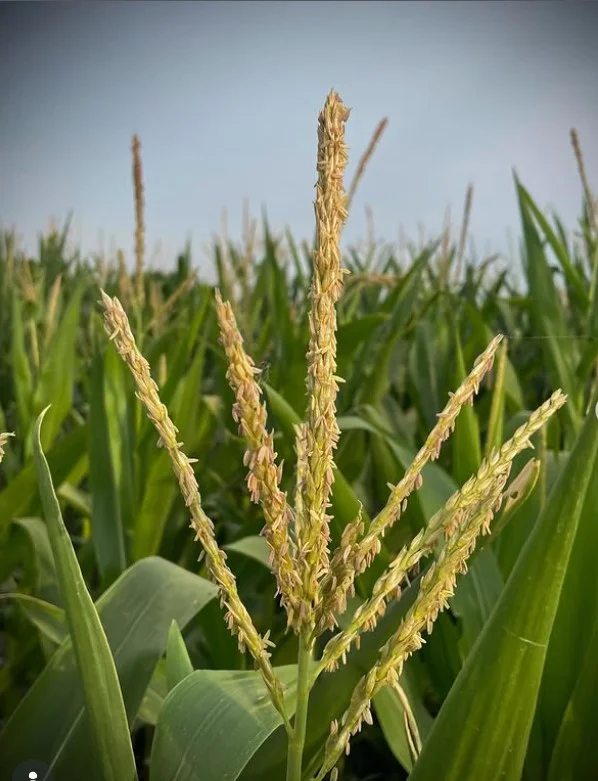
Corn grows tall and requires a lot of nutrients. It can also cast shade over nearby flowers.
Bee balm needs strong sunlight for the best flowering.
Tip: Plant corn away from flower borders.
4. Squash and Pumpkins
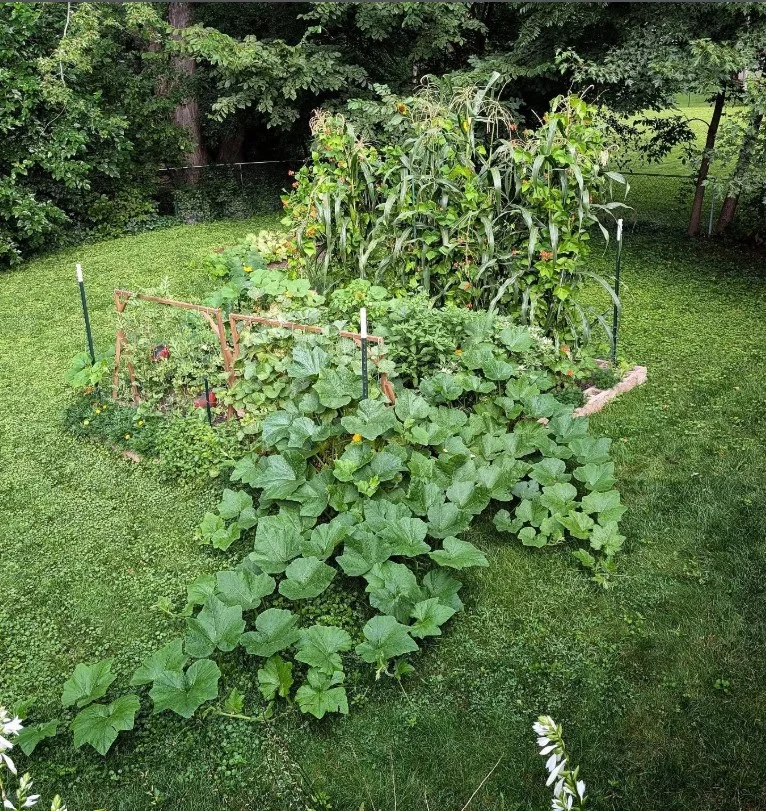
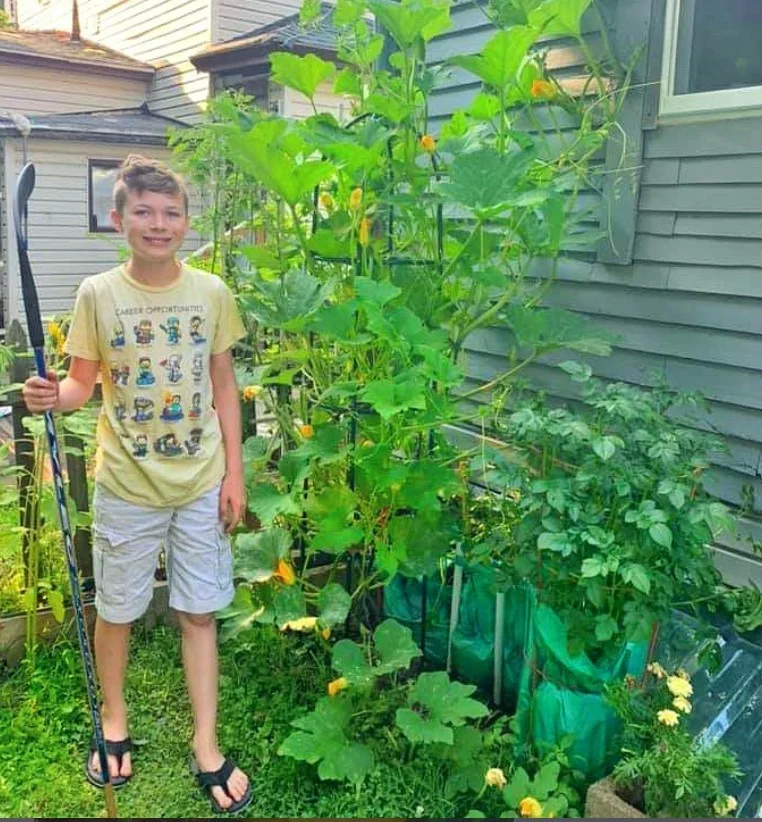
Large vines like squash and pumpkins spread fast across the soil surface.
They crowd roots, reduce airflow, and make maintenance harder.
That can increase disease pressure around bee balm.
5. Cucumbers

Cucumbers can be a poor match because they often grow in humid conditions and may be prone to mildew.
Bee balm is also known for powdery mildew, so spacing is important.
Tip: Grow them separately if possible.
6. Garden Phlox
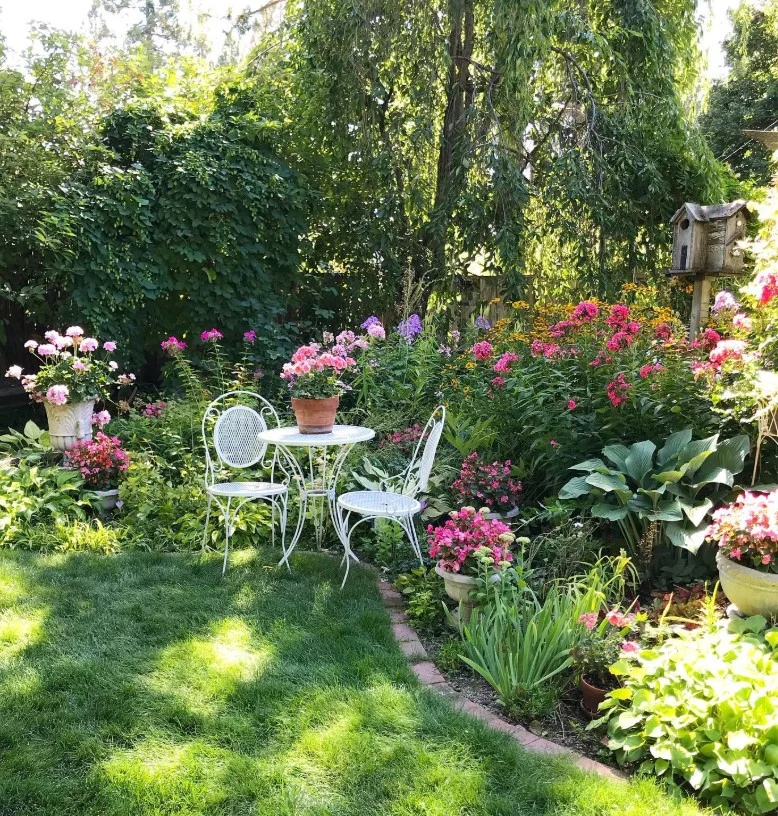
Garden phlox and bee balm are both commonly affected by powdery mildew.
Putting them side by side can create a higher-risk area when the weather is warm and humid.
Better Idea: Space them well apart.
7. Roses
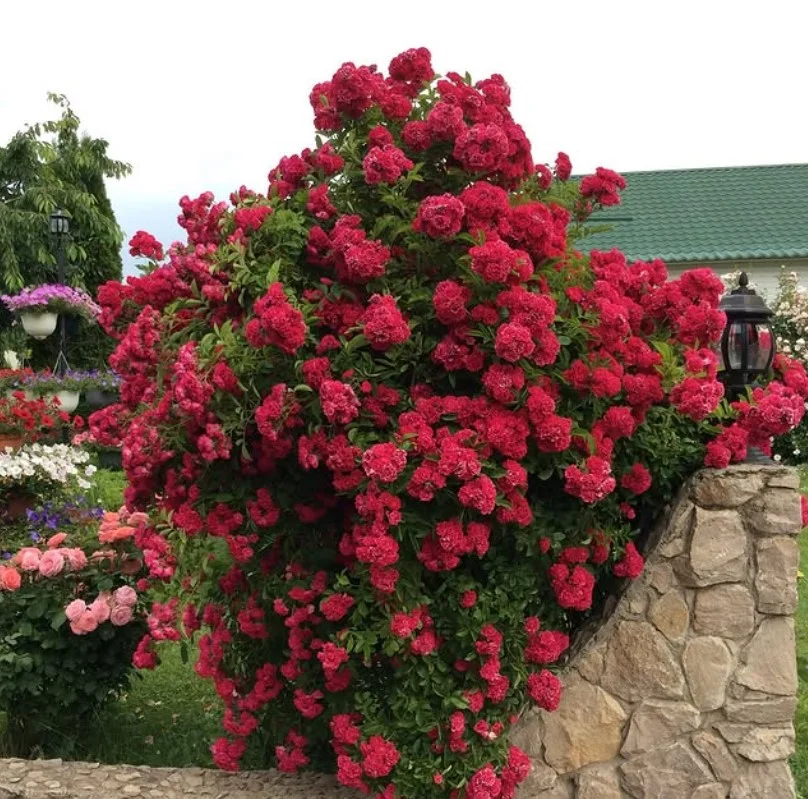
Roses need airflow and can also face fungal issues.
Crowding roses with bee balm may make disease management harder for both plants.
Tip: Give each plant open space.
8. Lilacs
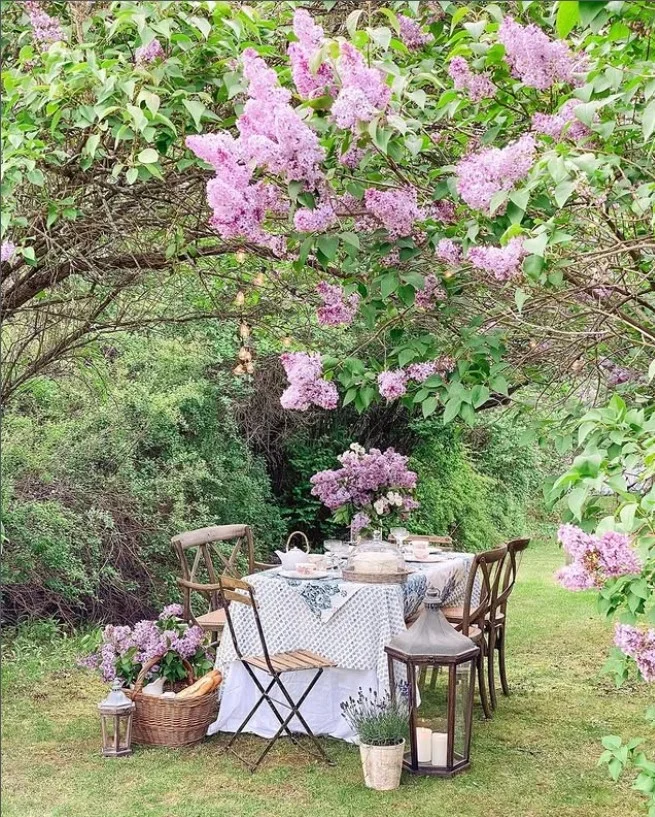
Lilacs can become large and cast shade as they mature. Too much shade often means fewer bee balm flowers.
They may also face mildew issues in some climates.
9. Hostas

Hostas prefer shade and moist woodland-style conditions.
Bee balm prefers much more sun, so one planting spot rarely suits both.
Simple Rule: Match plants with similar light needs.
10. Ferns

Ferns enjoy shade and rich woodland soil.
That is very different from the brighter, growing-spot bee balm prefers.
One plant usually loses in the wrong setup.
11. Tall Shrubs
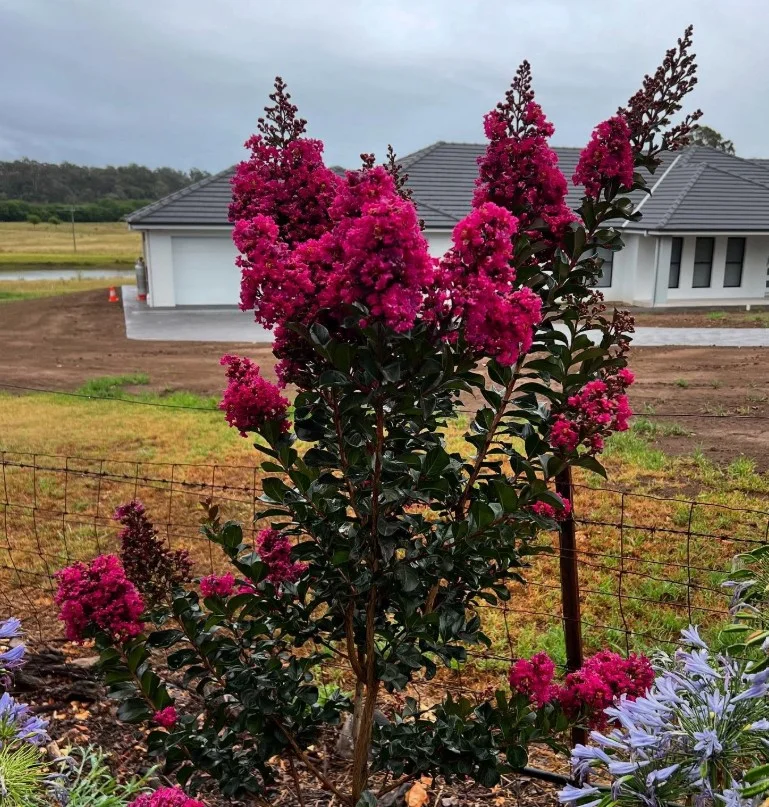
Large shrubs can block sunlight, crowd roots, and reduce airflow.
This creates stress and a damp environment around bee balm.
Tip: Keep bee balm in open beds.
12. Sunflowers
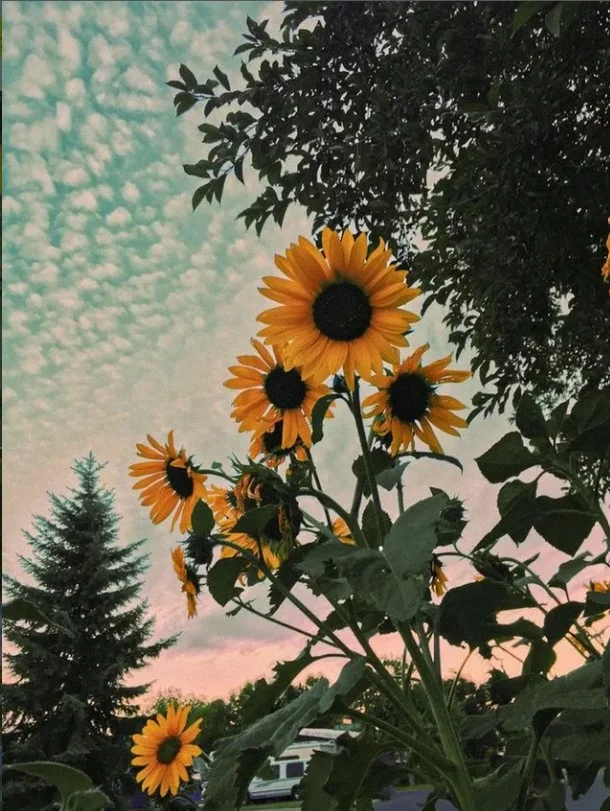
Sunflowers are bold, tall, and competitive.
They can take sunlight and nutrients while visually overpowering bee balm.
Use more space if growing both.
13. Small Delicate Groundcovers
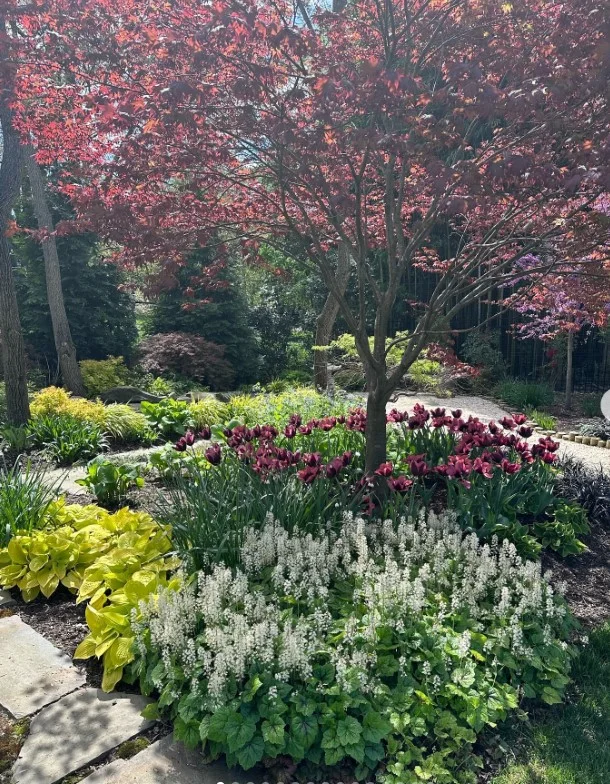
Tiny, shallow-rooted plants may get smothered as bee balm spreads into clumps.
They can also be shaded by taller stems.
Choose sturdier companions instead.
14. Overcrowded Mixed Beds
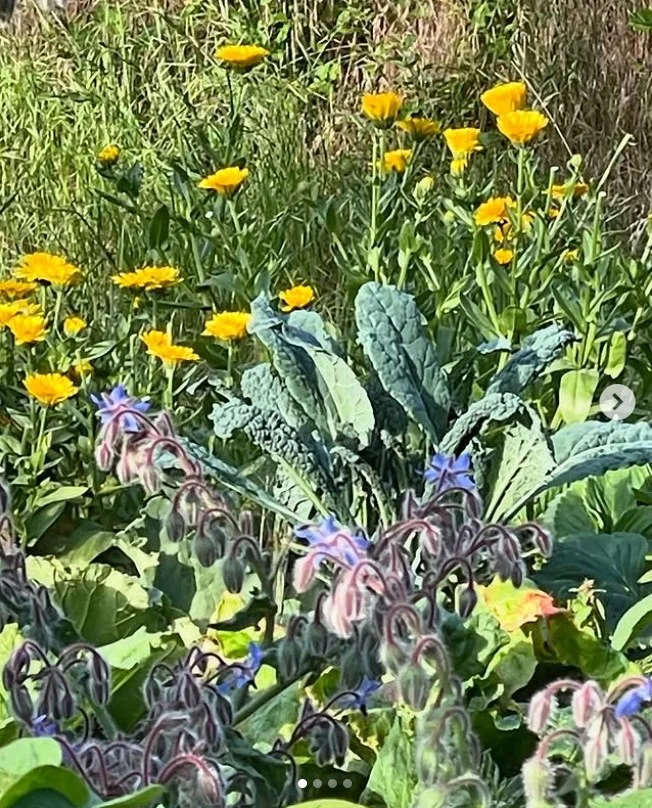
Sometimes the real problem is not one plant—it is too many plants together.
Crowded beds trap humidity and lower airflow, which encourages mildew.
Give bee balm room to breathe.
15. Plants That Need Dry Soil
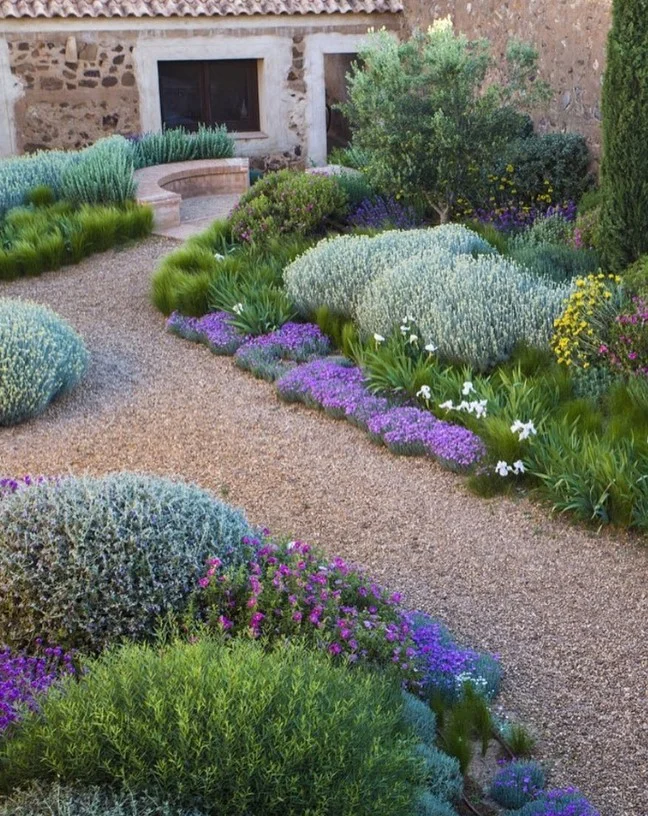
Bee balm likes evenly moist soil. Plants that love dry conditions may suffer if watered the same way.
This includes many drought-loving herbs and succulents.
Best Practice: Group plants by water needs.
Related: How to Grow Ginger Plant Indoors — The Complete Beginner-Friendly Guide
What to Plant With Bee Balm Instead
Better companions include plants that enjoy sun, average moisture, and open airflow. Popular options include coneflowers, black-eyed Susans, asters, and ornamental grasses. These also support pollinators and look beautiful together.
Final Thoughts
Knowing what not to plant with bee balm can save you time, space, and frustration. The wrong neighbors can cause crowding, shade, poor blooms, or disease. But the right spacing and smart plant choices help bee balm thrive.
Start with one simple fix: remove a poor companion or improve spacing. Small changes can bring big results.
FAQs About What Not to Plant With Bee Balm
What should you not plant next to bee balm?
Do not plant aggressive spreaders like mint, heavy feeders like tomatoes, or shade plants like hostas next to bee balm.
Does bee balm spread too much?
Yes, bee balm can spread through underground roots. Divide plants every few years to control growth.
Why does bee balm get powdery mildew?
Poor airflow, overcrowding, and humid weather often cause powdery mildew on bee balm.
What grows well with bee balm?
Coneflowers, asters, black-eyed Susans, and ornamental grasses grow well with bee balm.
Does bee balm need full sun?
Yes, bee balm grows best in full sun, though it can handle light afternoon shade in hot areas.
